How to Avoid Dental Emergencies This Christmas

A family at a table exchanging gifts

Christmas is a time for festive food, family gatherings and a well-earned break. The last thing you want is toothache, a broken tooth or another dental problem interrupting the celebrations.

While not every dental emergency can be avoided, taking a few simple precautions can help protect your teeth and gums throughout the festive season – especially when dental practices may be operating reduced opening hours.
1. Don't Use Your Teeth as Tools

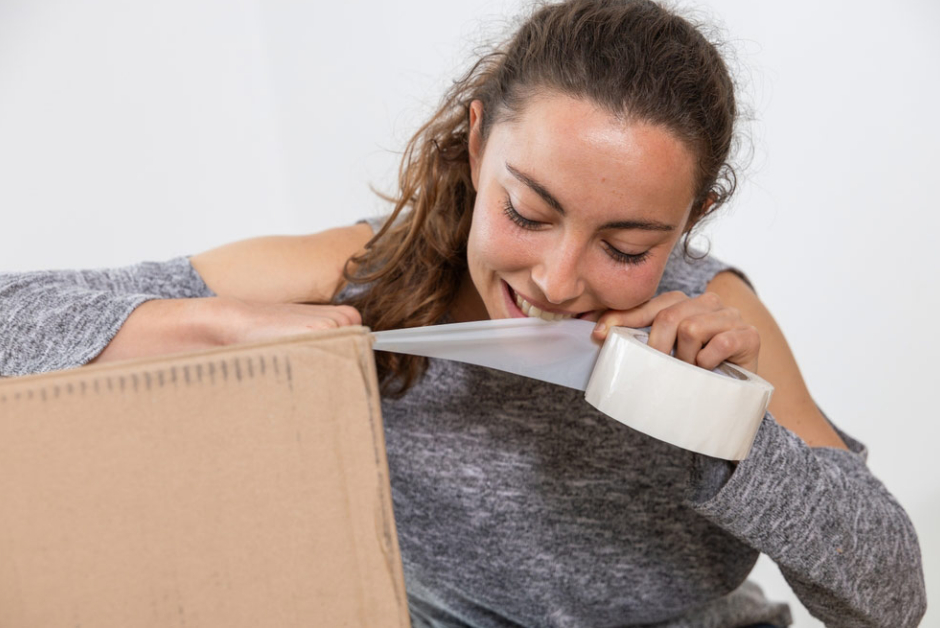
We’ve all been tempted to use our teeth to tear open stubborn packaging, cut ribbon or open something when the scissors aren’t nearby.

But your teeth are designed for eating – not opening Christmas presents.

Using your teeth as tools can lead to chips, cracks and damage to fillings, crowns or other restorations. Keep scissors and bottle openers handy and give your teeth a break this Christmas.

Woman ripping tape with her teeth

2. Take Care with Hard Foods

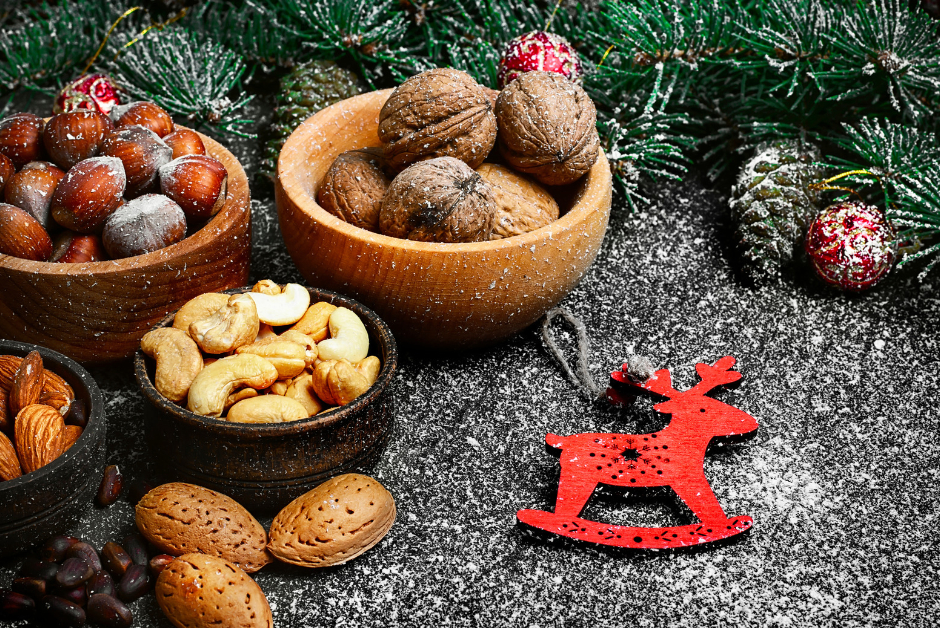
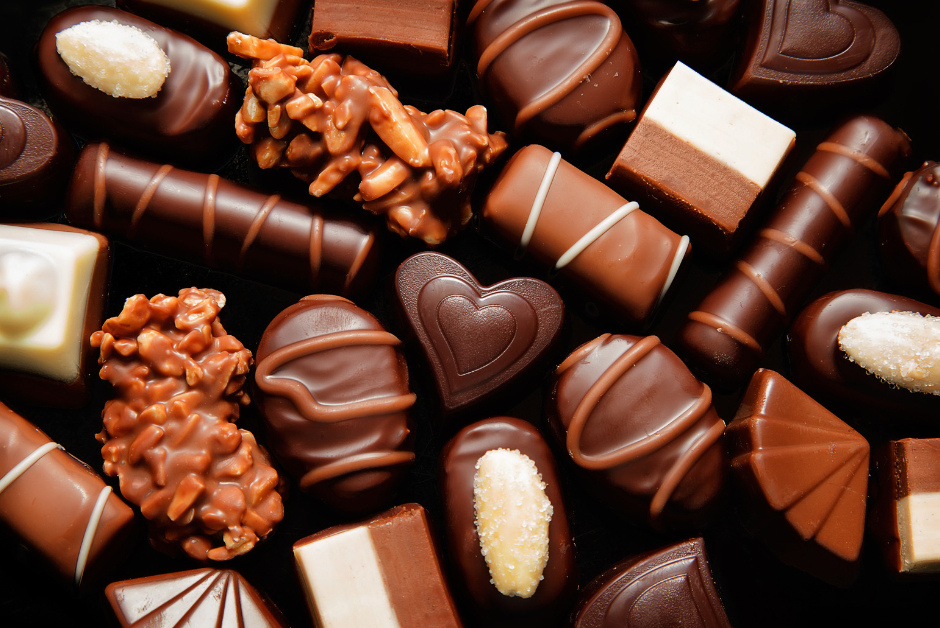
Nuts, boiled sweets, hard chocolates and crunchy treats are everywhere at Christmas, but biting down on something particularly hard can chip or fracture a tooth.

Take extra care if you have fillings, crowns or other dental restorations, and never use your teeth to crack nuts.

It’s also worth watching out for unexpected hard objects in food, such as bones, fruit stones and unpopped popcorn kernels.

A selection of nuts eaten at christmas

3. Don't Let Sugary Treats Linger

Toffees, caramels and other sticky Christmas favourites can cling to your teeth and may even pull at loose fillings or restorations.

They’re also often high in sugar. Bacteria in dental plaque use sugars to produce acids, which can contribute to tooth decay over time.

You don’t have to avoid your favourite Christmas treats altogether. Where possible, enjoy sugary foods as part of a meal rather than repeatedly grazing on them throughout the day.

4. Keep Brushing – Even When Your Routine Changes

Late nights, travelling and busy Christmas mornings can easily disrupt your usual routine, but your teeth still need regular care.

Continue brushing twice a day for around two minutes with fluoride or fluoride-free toothpaste, including before going to bed. Cleaning between your teeth with floss or interdental brushes can also help remove plaque and trapped food from areas your toothbrush may not reach.

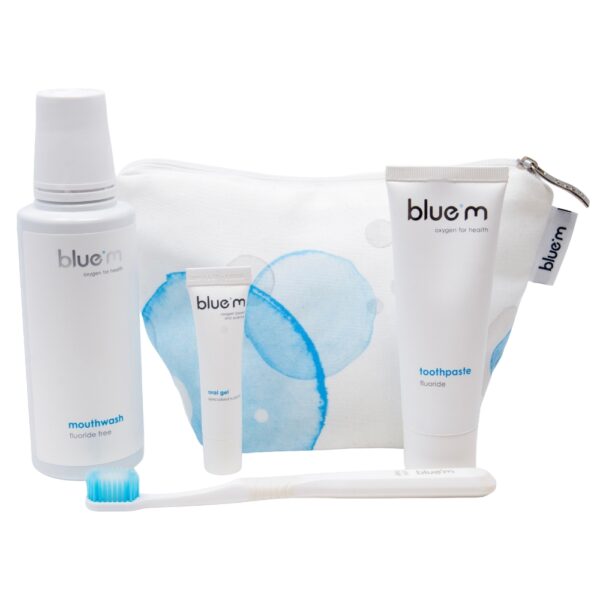
If you’re over Christmas, pack your oral care products somewhere easily accessible rather than at the bottom of your suitcase.

5. Pay Attention to Your Gums

Christmas indulgence combined with a less consistent oral care routine can leave plaque sitting around the gumline.

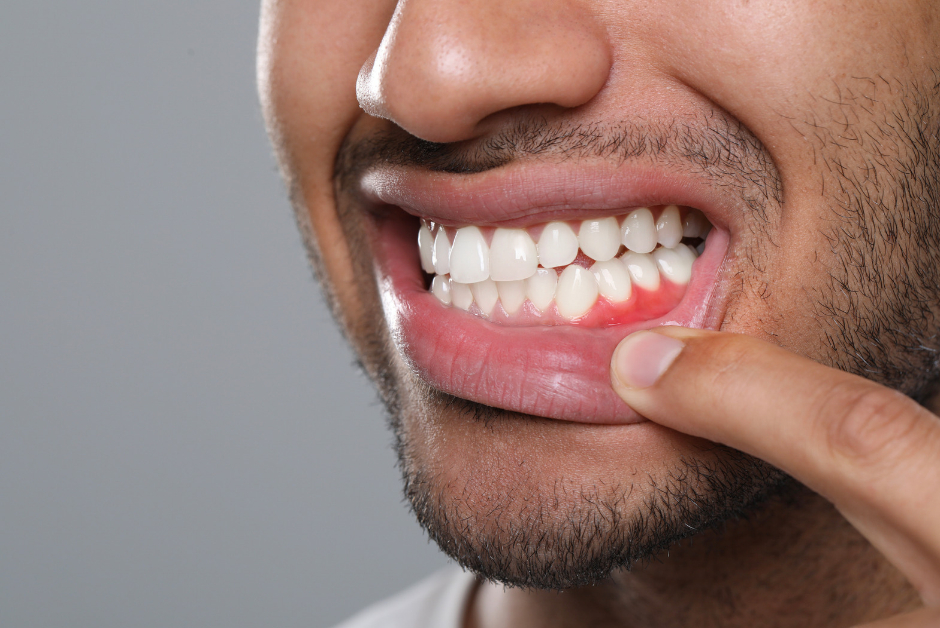
If your gums become red, swollen, tender or bleed when you brush, don’t simply ignore the problem until January.

Continue cleaning carefully around the gumline and between your teeth. If bleeding, swelling or discomfort persists, speak to a dental professional.

A man pulling down his lip to see the gumline

6. Stay Hydrated

For many adults, alcoholic drinks are part of the Christmas celebrations.

Alcohol can contribute to a , while some alcoholic drinks and mixers can also contain sugar or acids.

Alternate alcoholic drinks with water and stay hydrated throughout the celebrations. As well as helping your mouth feel fresher, drinking water can help wash away food particles and sugars.

A woman drinking a glass of water in her kitchen

7. Protect Your Teeth During Festive Activities

Planning a Christmas football match, winter sports or another activity where there’s a chance of an impact to your mouth?

can happen in seconds.

If you’re participating in a contact sport or activity with a risk of dental trauma, consider wearing an appropriate mouthguard to help protect your teeth.

8. Don't Ignore Problems Before Christmas

Have you noticed tooth sensitivity, discomfort when biting, a loose filling or a persistent toothache?

Don’t wait until Christmas to see whether it disappears.

Some dental problems can become troublesome if left untreated. If something doesn’t feel right, arranging an appointment with your dentist before the festive break could help prevent an unwelcome problem over Christmas.

What Should You Do in a Dental Emergency?

Even with careful preparation, accidents and unexpected dental problems can still happen.

If you experience severe toothache, significant swelling, dental trauma, a knocked-out tooth, uncontrolled bleeding or another urgent dental problem, seek professional dental advice as soon as possible.

It’s also worth checking your dental practice’s Christmas opening hours and emergency contact arrangements before they close for the holidays.

In the UK, if you need urgent dental care and cannot contact your usual dentist, NHS 111 can advise you about appropriate services. Severe swelling affecting breathing or swallowing, heavy uncontrolled bleeding or serious facial injuries may require emergency medical attention.

Keep Your Smile Healthy This Christmas

A few simple habits can go a long way towards looking after your teeth and gums, helping you to :

  • Brush twice a day and clean between your teeth
  • Take care with hard and sticky foods
  • Avoid using your teeth to open packaging or bottles
  • Stay hydrated
  • Don’t ignore toothache, swelling or other dental problems
  • Pack your oral care essentials if you’re travelling


Christmas should be about enjoying yourself – not worrying about your teeth.

Maintaining your everyday oral care routine is one of the simplest things you can do to support your mouth throughout the festivities.

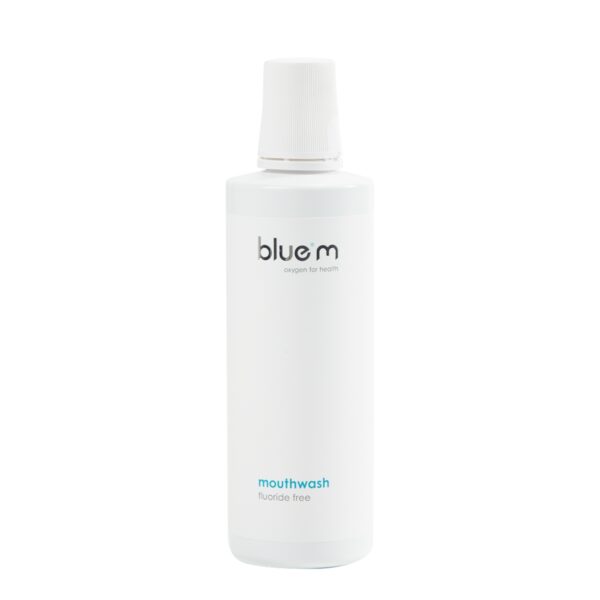
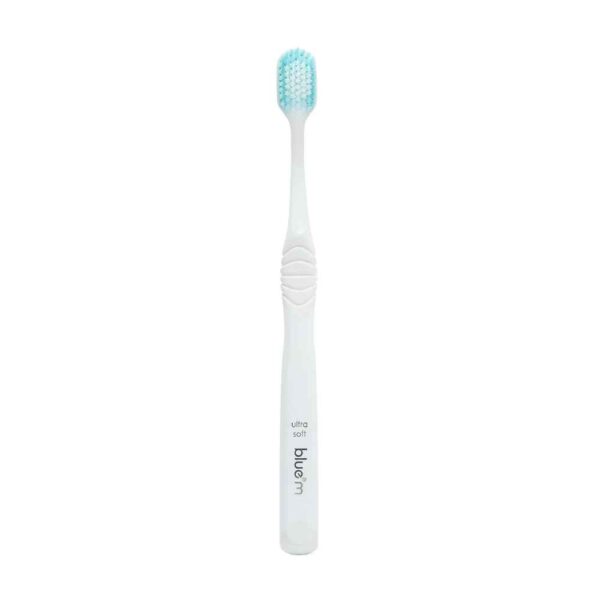
The blue®m oral care range includes products designed to support everyday oral hygiene at home and on the go, making it easier to maintain your routine throughout the festive period.

Enjoy the celebrations, look after your smile and head into the New Year with good oral care habits already in place.

DON'T MISS OUT...

Free delivery over £45
Processing...
Thank you! Your subscription has been confirmed. You'll hear from us soon.
ErrorHere