Your Teeth Are Not Tools: Protecting Your Smile from Everyday Damage
We’ve all been tempted to do it. Opening a stubborn package with our teeth, tearing tape, holding a pen cap.
While it may seem like a quick solution, using your teeth as tools can cause significant and sometimes irreversible damage to your smile.
Why Teeth Are Designed for Eating – Not Opening Packages
Your teeth are incredibly strong and are built to bite, chew, and help you speak clearly. However, they are not designed to withstand the forces involved in opening packaging, cutting thread, removing bottle caps, or holding hard objects. Every time you use your teeth for something other than eating, you increase the risk of:
• Chipping or cracking a tooth • Damaging crowns, veneers, or fillings • Wearing down tooth enamel • Increasing tooth sensitivity • Irritating or injuring the gums • Causing strain to the jaw
What may start as a small chip or crack can quickly develop into a more serious problem requiring professional treatment.
Everyday Habits That Can Damage Your Teeth
Many common actions place unnecessary pressure on the teeth and can increase the risk of chips, cracks, enamel wear and sensitivity.
Habits that may damage your teeth include:
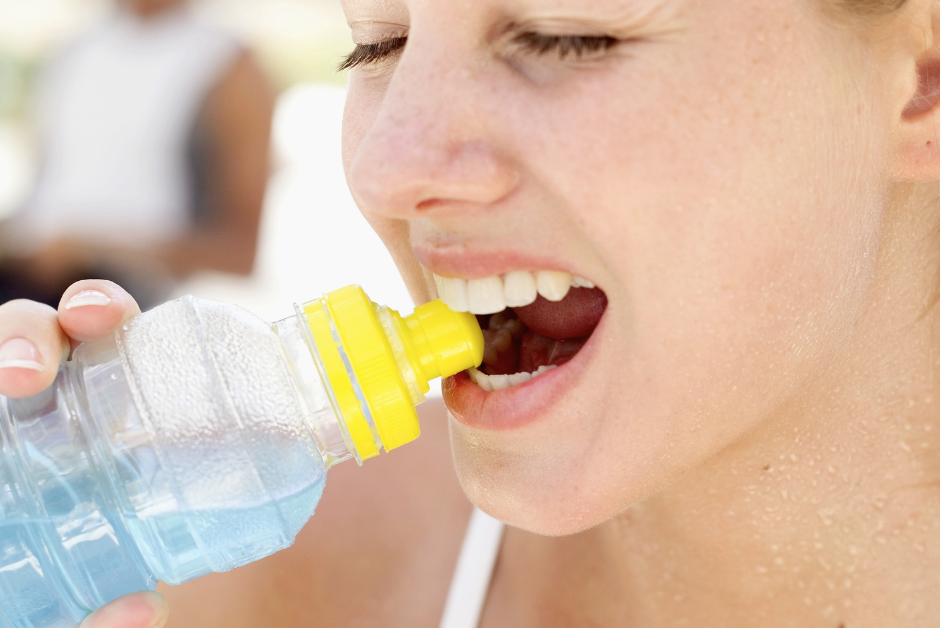
Opening packets or bottles with your teeth
Tearing tape, tags or thread
Biting fingernails
Chewing pen lids or pencils
Holding keys, pins or other hard objects between your teeth
Biting down on ice, boiled sweets or very hard foods
These habits may seem harmless at the time, but repeated pressure can weaken the enamel and increase the chance of dental damage. Being more aware of these everyday risks is a simple way to help protect your smile.
What Happens When You Chip a Tooth?
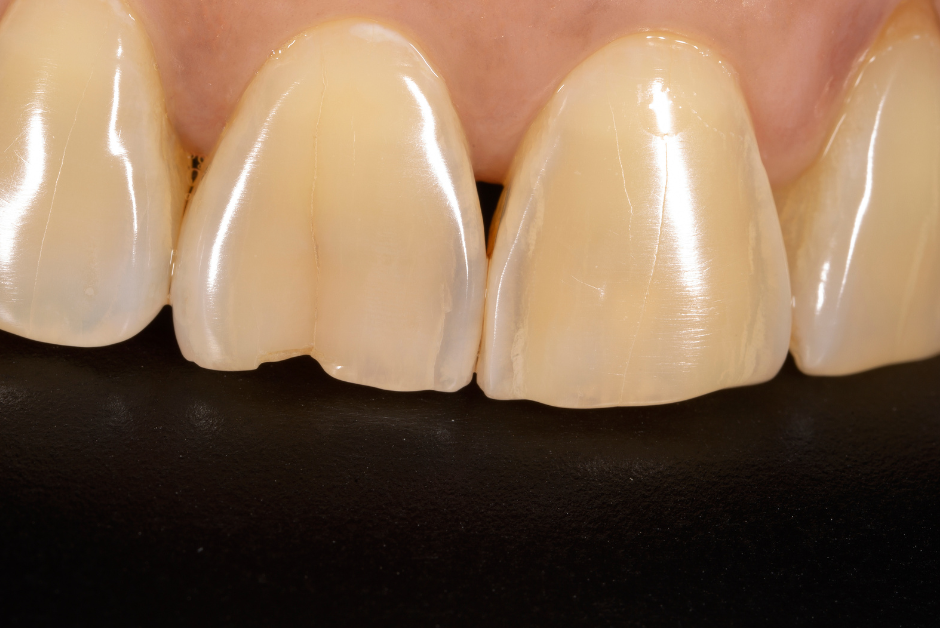
A chipped tooth might seem like a minor problem, especially if it does not hurt straight away. However, even a small chip can weaken the structure of the tooth and make it more vulnerable to further damage.
When enamel is chipped or cracked, the tooth can become less protected against everyday pressure from chewing and biting. Over time, this can cause the damage to worsen. A sharp edge may also irritate your tongue, lips or cheek, making eating and speaking uncomfortable.
In some cases, a chip can expose the inner layers of the tooth, creating an easier route for bacteria to enter. This may increase the risk of sensitivity, decay or infection if left untreated.
The Impact on Tooth Enamel
Enamel is the protective outer layer of your teeth. Although it is the hardest substance in the human body, it can still be damaged by repeated misuse.
Once enamel becomes worn or chipped, it does not grow back. As the protective layer becomes thinner, teeth may become more sensitive to hot, cold, sweet, or acidic foods and drinks.
This sensitivity can make everyday activities such as enjoying a hot cup of coffee or a cold drink uncomfortable.
Gum Irritation and Discomfort
Accidental trauma from using your teeth to grip or tear objects can also affect the surrounding gum tissue.
The gums play a vital role in protecting the roots of your teeth and maintaining overall oral health. When they become irritated or inflamed, discomfort can follow, making it even more important to maintain a healthy oral care routine.
What to Do If You Chip or Crack a Tooth
If you chip or crack a tooth, it is important not to ignore it, even if it does not hurt straight away. A small chip can sometimes become worse over time, especially if the tooth is exposed to regular chewing pressure.
Rinse your mouth gently with warm water to help keep the area clean. If there is any bleeding, apply gentle pressure with clean gauze or a soft cloth. Avoid chewing on the affected side and try not to touch the damaged area with your tongue, particularly if there is a sharp edge.
If a piece of tooth has broken away, keep it in a clean container and contact your dentist for advice. They will be able to assess the damage and recommend the most suitable treatment.
When to See a Dentist About a Chipped Tooth
You should contact a dentist if you chip, crack or damage a tooth, particularly if you notice pain, sensitivity or a sharp edge. Even minor damage can affect the strength of the tooth and may need professional attention.
It is especially important to seek dental advice if you experience:
Pain when biting or chewing
Sensitivity to hot, cold, sweet or acidic foods and drinks
A rough or sharp edge that catches your tongue or cheek
Swelling, redness or bleeding around the gum
A visible crack or missing piece of tooth
Discomfort that does not settle
Prompt treatment can help prevent further damage and reduce the risk of complications such as decay, infection or ongoing sensitivity.
Better Alternatives to Using Your Teeth
Instead of reaching for your teeth, keep simple tools nearby that are designed for the job:
Scissors for opening packages
Bottle openers for caps
Utility knives for cutting materials
Pliers for gripping small objects
Taking a few extra seconds to find the correct tool can save you from expensive dental treatment later.
Protect Your Smile with blue®m
Your teeth are designed to last a lifetime, but they need the right care and protection. Avoiding the temptation to use them as tools is a simple habit that can help prevent chips, cracks, sensitivity and unnecessary dental treatment.
It is also important to support your teeth and gums with a consistent oral care routine. Brushing twice a day, cleaning between the teeth and attending regular dental check-ups all play a key role in maintaining a healthy smile. If you are experiencing sensitivity, gum discomfort or irritation, blue®m products can be a useful addition to your daily routine, helping to support a healthy oral environment alongside professional dental advice.
The next time you reach for your teeth to open a packet, tear tape or grip an object, pause for a moment and use the right tool instead. A few extra seconds could help protect your smile for years to come.