Improve Your Oral Health with 6 Simple Daily Habits

Middle aged woman on a mans back in a wooded area

Stronger teeth, healthier gums, and fresher breath – starting today.

Your oral health is shaped by your everyday routine. Small changes in how you care for your teeth and gums can make a lasting difference in preventing problems and maintaining long-term comfort.

Here are six essential lifestyle tips to help you build a healthier, more effective oral care routine.

1. Prioritise Thorough Oral Hygiene Practices

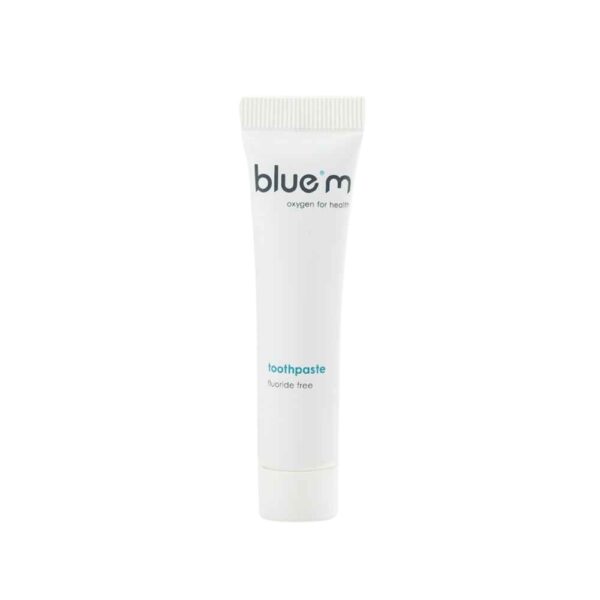
Effective oral hygiene starts with the basics: brushing and flossing. Use a soft-bristled toothbrush and fluoride toothpaste to gently clean your teeth at least twice daily.

Soft bristles are gentler on your gums and tooth enamel, reducing the risk of irritation and abrasion. Brush for a full two minutes, covering all tooth surfaces and paying particular attention to the gum line, where plaque tends to accumulate.

Consistent and thorough oral hygiene practices are the cornerstone of a healthy mouth.

2. Embrace Mouthwash

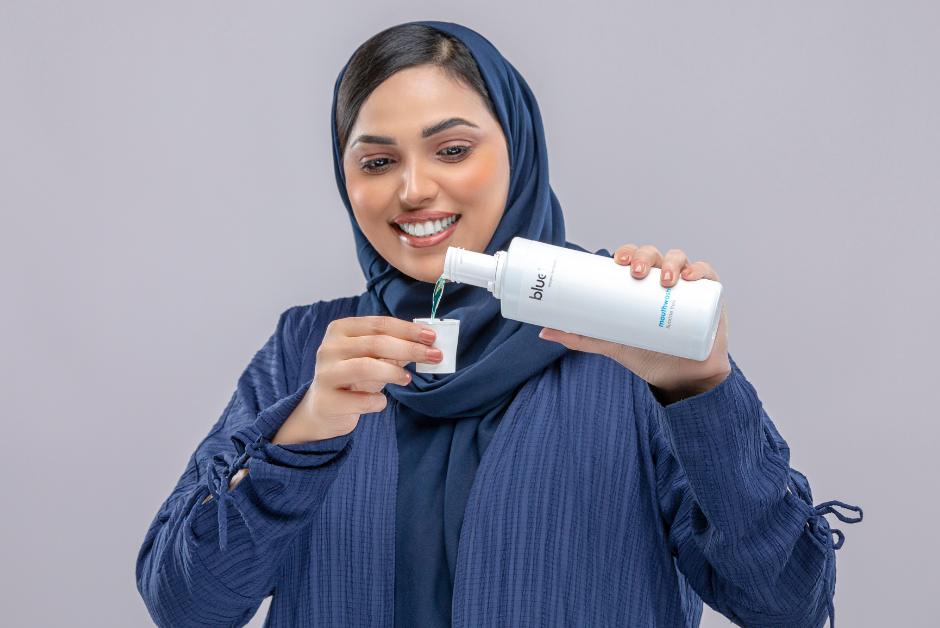
While brushing and flossing are paramount, incorporating mouthwash into your routine can provide added protection against oral health issues.

Opt for an alcohol-free mouthwash as alcohol can contribute to dry mouth and irritation.

Mouthwash helps rinse away remaining debris, reduces oral acidity, and strengthens tooth enamel, offering an extra layer of defence against cavities and gum disease.

Integrate bluem® mouthwash into your daily routine after brushing and flossing for optimal results.

Vegetables as part of a tooth-friendly diet

3. Adopt a Tooth-Friendly Diet

What you eat and drink has a direct impact on your oral health. Your diet can either support strong teeth and healthy gums – or contribute to plaque build-up, enamel erosion, and irritation.

Sugary and acidic foods feed harmful bacteria in the mouth. These bacteria produce acids that weaken tooth enamel and increase the risk of cavities and gum problems. Frequent snacking can make this worse, as it gives your teeth less time to recover.

Foods to limit

To protect your teeth and gums, try to reduce:

  • Sugary snacks and drinks (including fizzy drinks and fruit juices)
  • Acidic foods like citrus fruits, vinegar-based dressings, and wine
  • Sticky foods that cling to teeth, such as dried fruit or sweets
  • Frequent snacking throughout the day

Foods that support oral health

Choosing the right foods can help maintain a healthier oral environment:

  • Crunchy fruits and vegetables (like apples, carrots, and celery) help stimulate saliva and naturally clean teeth

  • Dairy products (such as cheese and yoghurt) provide calcium to support strong enamel

  • Leafy greens are rich in vitamins and minerals that support gum health

  • Water helps rinse away food particles and keeps the mouth hydrated

Small habits that make a big difference

  • Try to eat meals at regular times rather than snacking constantly

  • Drink water after eating to help neutralise acids

  • Avoid brushing immediately after acidic foods – wait at least 30 minutes

  • Chew sugar-free gum to help stimulate saliva between meals

A balanced, tooth-friendly diet doesn’t just protect your teeth, it also helps create a healthier, more stable environment in your mouth. Pairing these habits with a gentle daily oral care routine can further support long-term oral health.

4. Make Flossing a Habit

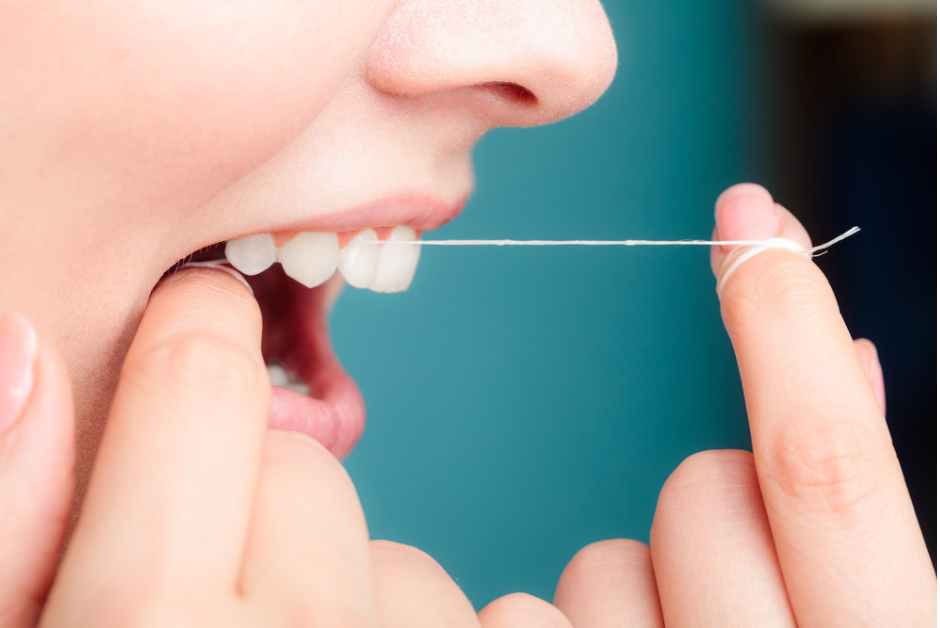
Brushing your teeth is essential – but it only cleans around 60% of the tooth surface. The spaces between your teeth are where plaque and food debris can easily build up, and these areas are often missed by brushing alone.

Flossing helps remove plaque from these hard-to-reach areas, reducing the risk of gum inflammation, bleeding, and decay between the teeth. If left undisturbed, plaque can harden into tartar, which cannot be removed by brushing alone.

Why Flossing Matters

  • Helps prevent gum disease by removing bacteria at the gumline

  • Reduces the risk of cavities between teeth

  • Supports fresher breath by eliminating trapped food particles

  • Keeps gums healthier and less prone to bleeding

How to Floss Effectively

    • Use a gentle sawing motion to guide the floss between teeth

    • Curve the floss around each tooth in a “C” shape

    • Move it up and down along the side of the tooth and just below the gumline

    • Use a clean section of floss for each tooth

Make it Part of Your Routine

The key to flossing is consistency. It’s most effective when done once a day, ideally in the evening before brushing, so you remove debris before cleaning your teeth.

If traditional floss feels difficult, alternatives like floss picks or interdental brushes can make the process easier and more comfortable, especially for sensitive gums.

Building flossing into your daily routine can make a significant difference to your long-term oral health. Combined with brushing and a gentle oral care routine, it helps create a cleaner, healthier environment in your mouth.

Dental Professional

5. Schedule Regular Dental Check-Ups

Routine visits to your dentist are essential for maintaining optimal oral health.

During these appointments, your dentist can detect early signs of dental problems, provide professional cleanings to remove stubborn plaque and tartar buildup, and offer personalised guidance for improving your oral hygiene practices.

Aim to schedule dental check-ups and cleanings at least twice a year, or more frequently if recommended by your dentist based on your individual needs and risk factors. Proactive dental care can help prevent minor issues from escalating into major concerns.

Alcohol and tobacco

6. Cut Out Tobacco Use and Moderate Alcohol Consumption

Tobacco use in any form, whether smoking or chewing, poses severe risks to oral health, including bad breathgum disease, tooth decay, and oral cancer.

Giving up tobacco products is one of the most impactful steps you can take to improve your oral health.

Similarly, excessive alcohol consumption can lead to dry mouth, increased oral acidity, and heightened susceptibility to oral cancers.

Aim to moderate your alcohol intake, choosing water or non-acidic beverages whenever possible.

Common Mistakes to Avoid

Even with the best intentions, small everyday habits can negatively impact your oral health. Being aware of these common mistakes can help you protect your teeth and gums more effectively.

Brushing too hard

Brushing aggressively may feel like you’re cleaning more thoroughly, but it can actually wear down enamel and irritate your gums. Use a soft-bristled toothbrush and gentle pressure to clean effectively without causing damage.

Skipping flossing

Brushing alone doesn’t clean between your teeth. Skipping flossing allows plaque to build up in these areas, increasing the risk of gum disease and decay.

Using harsh oral care products

Some toothpastes and mouthwashes contain strong ingredients that can irritate sensitive tissues, especially if your mouth is already inflamed. Choosing gentle, non-irritating products can help maintain a healthier oral environment.

Snacking too frequently

Frequent snacking, especially on sugary or acidic foods, exposes your teeth to repeated acid attacks. This can weaken enamel over time and increase the risk of cavities.

Not replacing your toothbrush

A worn toothbrush is less effective at cleaning your teeth. Replace your toothbrush (or brush head) every 3 months, or sooner if the bristles become frayed.

Rinsing immediately after brushing

Rinsing your mouth straight after brushing can wash away beneficial ingredients from your toothpaste. Instead, spit out excess toothpaste and allow it to remain on your teeth for longer protection.

Small changes to these habits can make a big difference. By avoiding these common mistakes, you can support healthier teeth, stronger gums, and a more effective daily oral care routine.

Add bluem® to Your Oral Health Routine

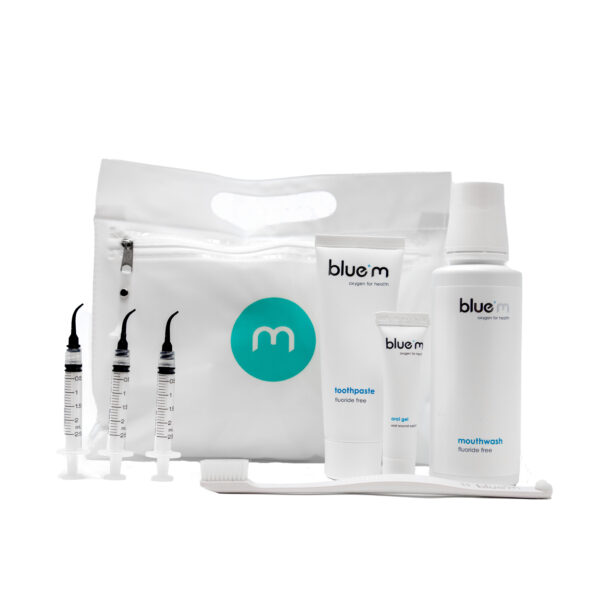
With its revolutionary, oxygen-enriched formula, bluem® allows you to dramatically improve your oral health routine with high-quality oral care products.

Sold in more than 30 countries worldwide, our oral care products are specifically developed to prevent and treat oral problems such as inflamed gumsperiodontitis and peri-implantitis.

View our complete product range here.

Remember; healthy mouth, healthy body.

Our Products

Share the Post:

Related Posts

Choice Billing Address

×
Mansoor Fazil
  • Mansoor Fazil
  • 12 Chichester Gardens
  • London IG1 3NB
  • , GB
Annia
  • Annia Casagrande
  • Cinnamon Street
  • 20
  • London E1W 3NJ
  • Middlesex, GB
Andri
  • Andri Tucker
  • 116 Roman Road
  • Basingstoke RG23 8HE
  • , GB

Choice Billing Address

×

DON'T MISS OUT...

Free delivery over £45