Enamel is the hardest substance in the human body, designed to protect your teeth from the constant pressures of chewing, biting, and exposure to acids. Yet despite its strength, enamel isn’t indestructible.
Every day, small, seemingly harmless habits contribute to the gradual erosion of enamel. Since enamel cannot repair itself once damaged, understanding how everyday behaviours affect it is vital for maintaining long-term oral health.
Let’s take a closer look at some common habits and what they’re really doing to your teeth.
Coffee itself is only mildly acidic, but its real impact on your teeth lies in how often and how long it’s consumed.
Sipping coffee over extended periods repeatedly exposes your teeth to acid, softening the enamel and making it more vulnerable to wear. When sugar or flavoured syrups are added, this effect is amplified, creating an ideal environment for harmful bacteria to thrive.
The Impact of Coffee on Enamel:
Tip: Drink coffee in one sitting rather than sipping all morning, and rinse with water or mouthwash afterwards.
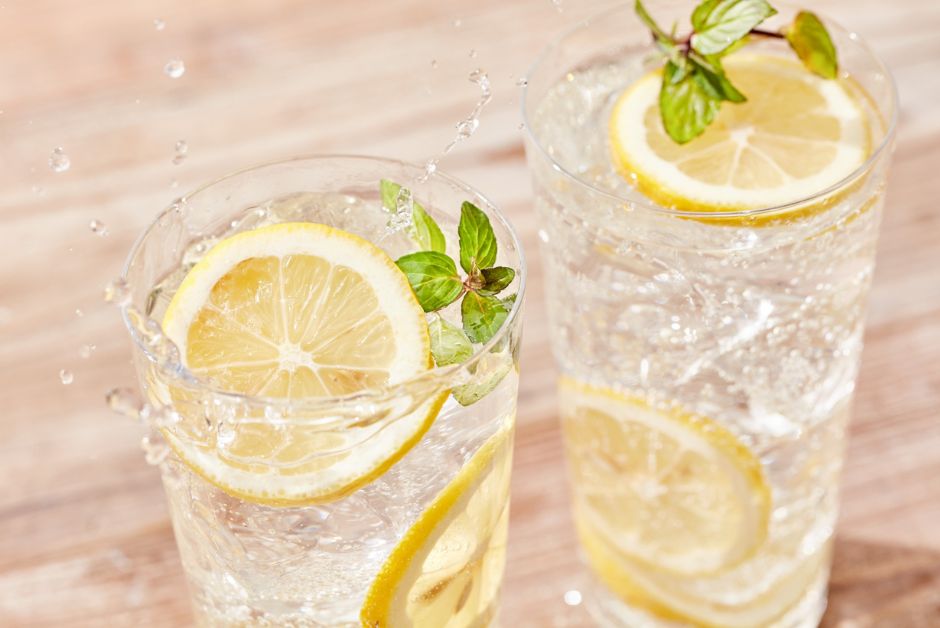
Sparkling water feels like a healthy alternative, but carbonation forms carbonic acid. While it’s far less damaging than sugary drinks, frequent consumption, especially flavoured varieties, can still weaken enamel over time.
The Impact of Sparkling Water on Enamel:
Tip: Alternate with still water and avoid brushing immediately after drinking.
Wait about 30-60 minutes before brushing, as its carbonation and added flavours create acid that temporarily softens tooth enamel, and brushing too soon can wear it away.
Instead, rinse your mouth with still water to help neutralise the acid and allow saliva to do its work before brushing with fluoride toothpaste.
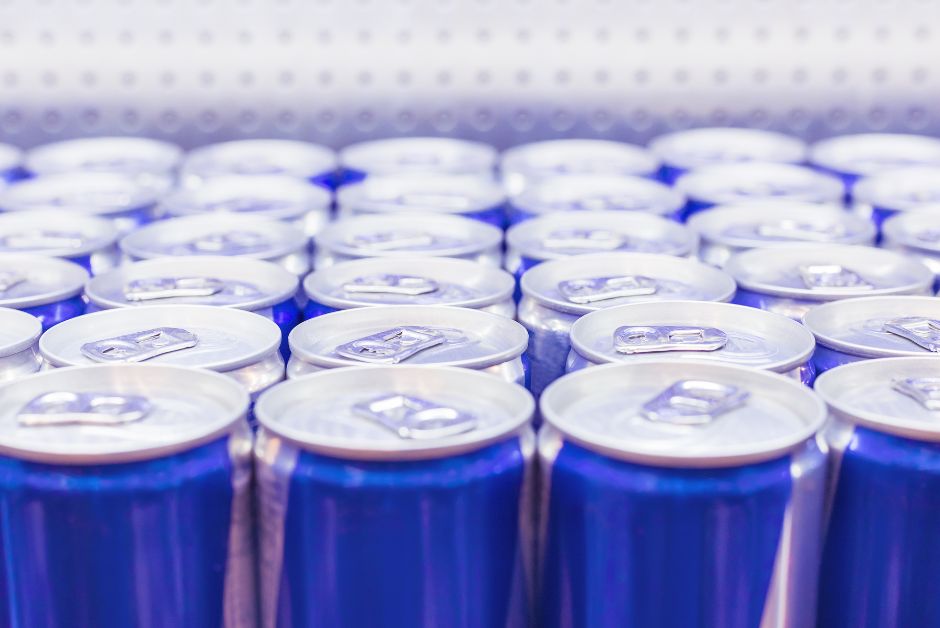
Energy drinks are among the most harmful beverages for teeth due to a potent combination of high acidity and sugar. Their low pH levels can begin to soften enamel almost immediately after consumption, weakening the tooth’s protective outer layer.
At the same time, the high sugar content feeds harmful bacteria in the mouth, which produce additional acids that further accelerate enamel erosion.
What makes energy drinks particularly damaging is how they’re often consumed. Typically, they are sipped slowly over time or used during workouts, when the mouth is already dry.
Reduced saliva flow means fewer natural defences to neutralise acids and remineralise enamel, leaving teeth exposed for longer periods. Over time, this repeated acid attack can lead to increased sensitivity, staining, and a significantly higher risk of dental caries.
Regular consumption doesn’t just affect the surface of the teeth; it can contribute to long-term structural damage that’s difficult to reverse once enamel is lost.
The Impact of Energy Drinks on Enamel:
Tip: If you consume energy drinks, limit frequency and rinse your mouth with water or mouthwash straight after.
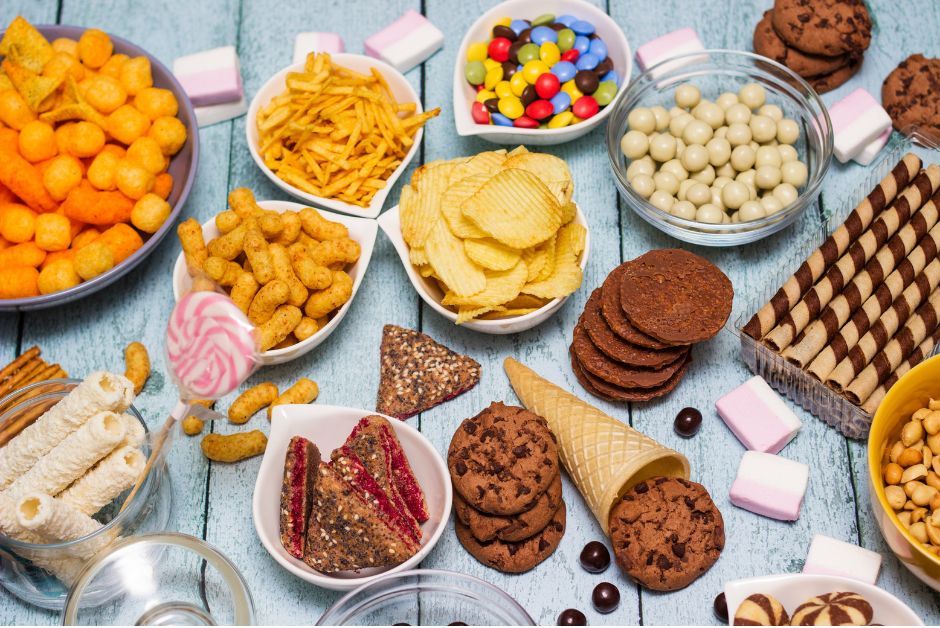
It’s not just what you snack on, but how often you do it.
Every time you eat, especially foods containing sugars or refined carbohydrates, the bacteria in your mouth produce acids that attack tooth enamel. This acid attack can last up to 30 minutes after each snack.
When snacking happens frequently throughout the day, your teeth are exposed to repeated acid attacks with little time in between to recover.
Saliva normally helps neutralise acids and remineralise enamel, but constant grazing overwhelms this natural defence. Over time, this increases the risk of enamel erosion, sensitivity, and tooth decay, even if the snacks themselves don’t seem particularly harmful.
Allowing gaps between meals gives your enamel the time it needs to repair and strengthen, making how often you snack just as important as what you choose to eat.
Enamel impact:
Tip: Choose tooth-friendly snacks and give your mouth breaks between eating.
Sports drinks are designed to replace electrolytes lost through sweat, but they often come with a hidden cost to your teeth. Most sports drinks are highly acidic and contain significant amounts of sugar, a combination that can be particularly damaging to enamel.
During exercise, the mouth tends to become drier as saliva flow decreases. Saliva normally helps neutralise acids and wash away sugars, so when its protective effect is reduced, acids linger on the teeth for longer.
Frequent sipping of sports drinks repeatedly exposes enamel to these acids, gradually softening and weakening it.
Over time, this can lead to enamel erosion, increased sensitivity, and a higher risk of decay. Even “low-sugar” or “electrolyte” versions can still be acidic enough to cause damage, making regular use a concern for long-term oral health.
Enamel impact:
Tip: Use sports drinks only when truly needed and follow with water.
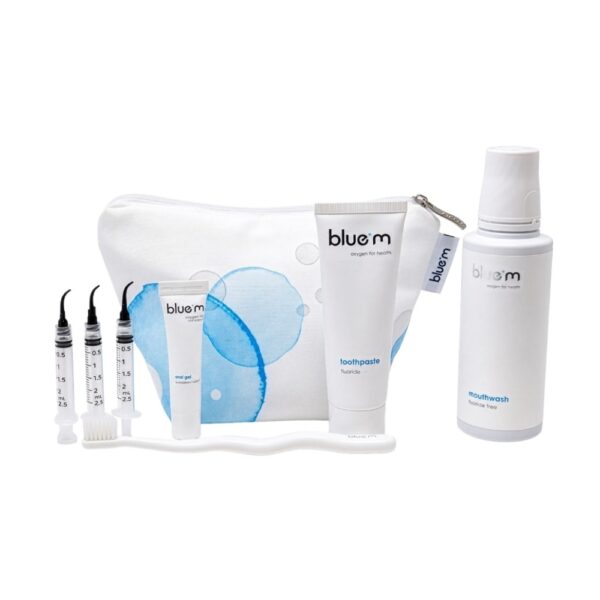
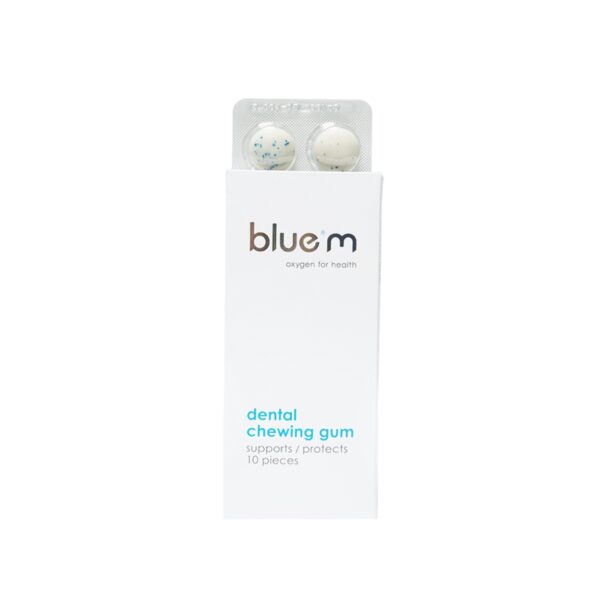
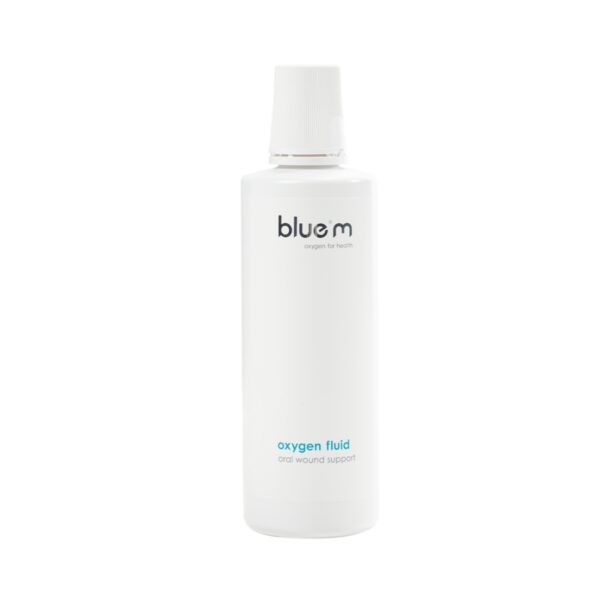
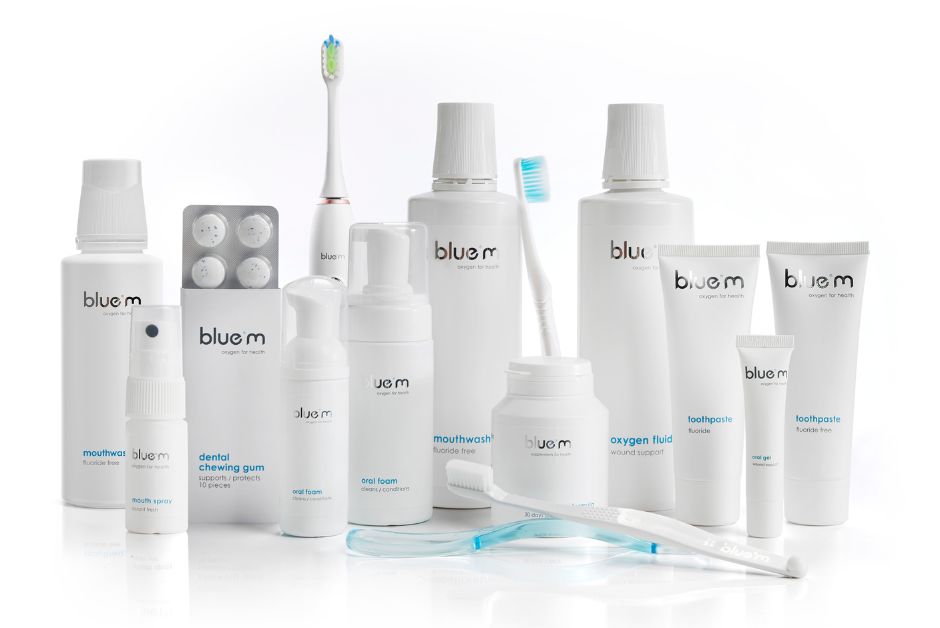
Daily habits matter, but so does daily protection. This is where blue®m plays an important role in modern oral hygiene.
blue®m products are formulated with active oxygen, which helps:
In a world where acidic drinks, snacking, and busy lifestyles are hard to avoid, using oral care products that actively support enamel and overall oral health can make a real difference.
Strong enamel isn’t just about avoiding damage; it’s about supporting your mouth every single day.