Oral lichen planus is a chronic inflammatory condition that can cause sore, sensitive, or ulcerated areas inside the mouth. Everyday activities like eating, drinking, or brushing can become uncomfortable, especially when tissues are already inflamed.
While the condition can affect anyone, it is most common in adults over the age of 30.
Whether you are managing ongoing symptoms or looking for a more comfortable daily routine, discover oral care solutions developed to support your mouth when it needs it most.
What are the symptoms of Oral Lichen Planus?
There are a number of oral lichen planus symptoms that are commonly located on the soft tissues of the mouth. Affected areas may include the inside of the cheeks or inner lips, as well as the gums or tongue.
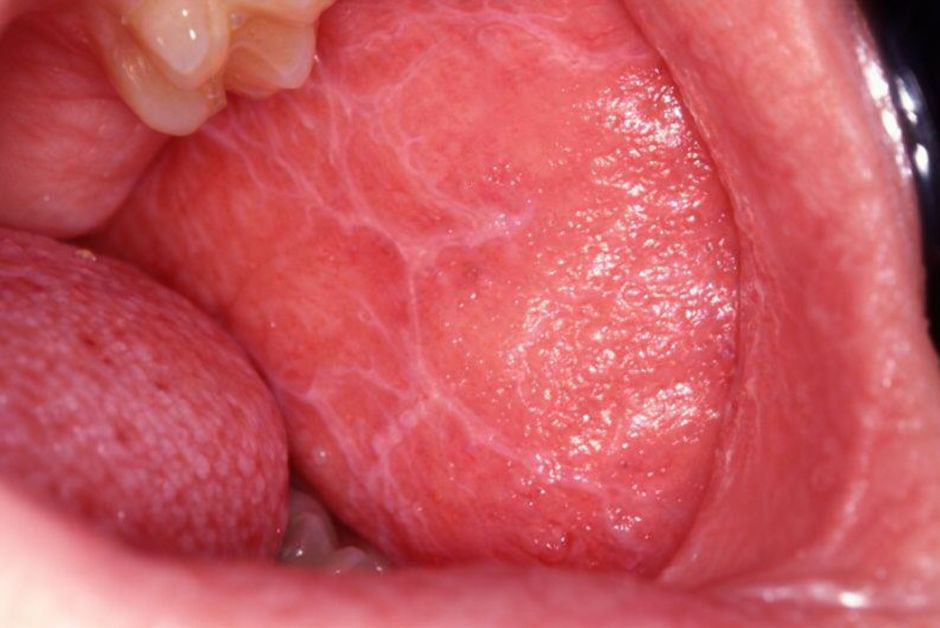
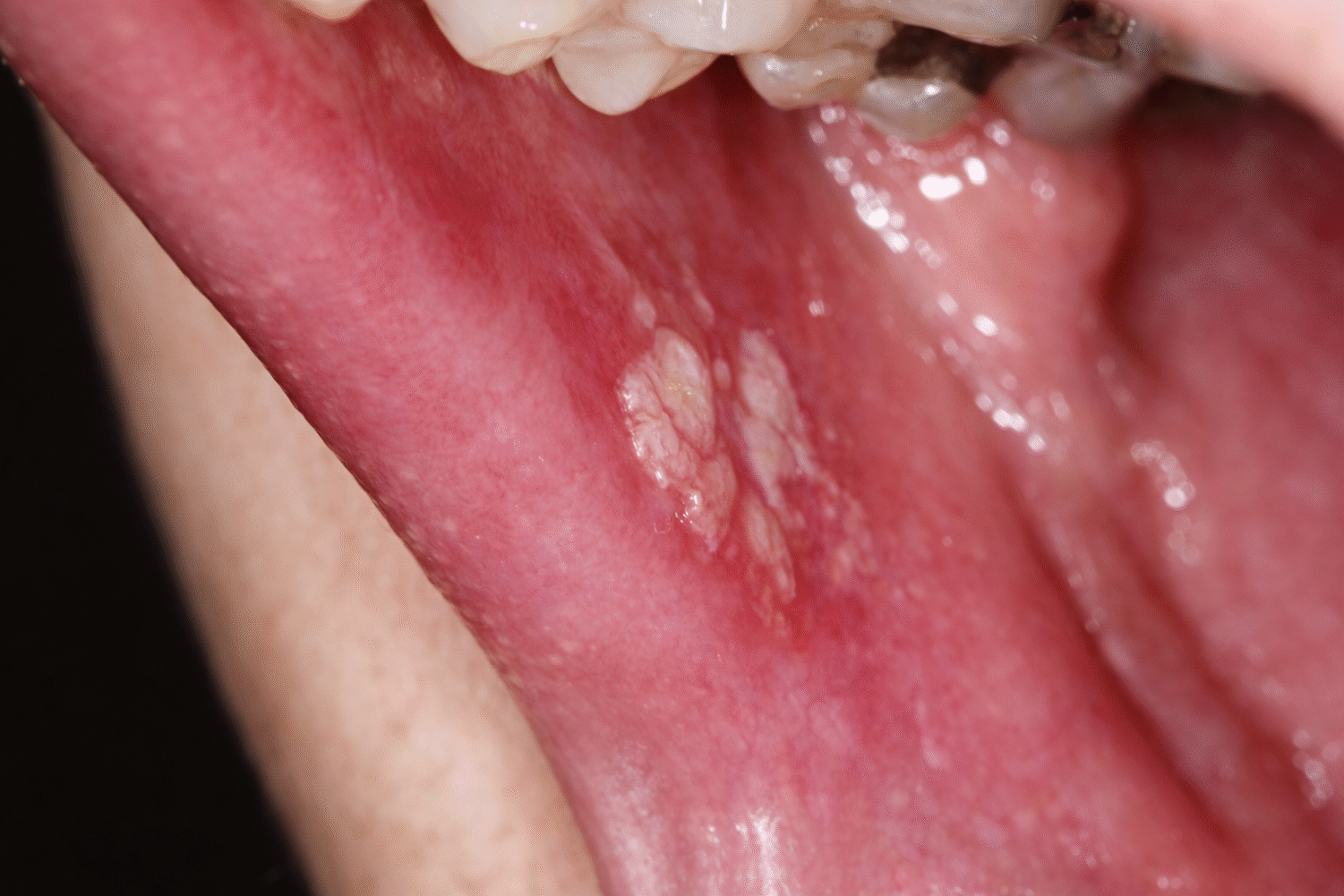
The most common symptoms of oral lichen planus include white patches of raised tissue, tender patches of swollen red tissue or open sores. The condition can also cause itching and a burning sensation in the mouth. This can be very painful.
In the mouth, the disorder can manifest itself in one of two ways; reticular lichen planus and erosive lichen planus.
Reticular lichen planus comes from the lace-like pattern of fine white lines that appear on the inside of the cheeks, gums, and tongue.
Erosive lichen planus causes sores or erosion on the lining of the mouth. Like the reticular form, these sores are found on the cheeks, tongue and gums. Erosive lichen planus usually requires treatment for which your doctor may need to prescribe a powerful topical anti-inflammatory drug to combat the pain.
What are the causes & triggers of Oral Lichen Planus?
The causes of oral lichen planus are unknown. This makes the condition difficult to prevent.
As an autoimmune disease, lichen planus affects the body’s inflammatory cells that should fight off harmful bacteria and viruses. It attacks the skin and mucous membranes leaving swollen patches of tissue.
There are cases in which people have developed lichen planus after using certain forms of medication. Typically, these are to combat high blood pressure, rheumatic problems or heart disease. People with amalgam allergies can also develop the disorder.
The condition is not contagious and can’t be passed from one person to another.
In extreme cases, oral lichen planus may cause other complications. These include:
Symptoms of oral lichen planus can be easily managed, but the condition requires regular monitoring due to the risk of mouth cancer developing. Be aware of the symptoms and visit your dentist or specialist if you have any concerns.
When to see a dentist or doctor for Oral Lichen Planus
If you think you may have oral lichen planus, it’s important to seek professional advice for an accurate diagnosis and ongoing care.
You should see a dentist or doctor if you notice:
Persistent white patches, red areas, or sores in your mouth
Pain, burning, or sensitivity that doesn’t improve
Difficulty eating, drinking, or brushing due to discomfort
Changes in the appearance of your oral tissues
Symptoms that last longer than two weeks
Oral lichen planus can sometimes resemble other oral conditions, so a professional assessment is essential to rule out other causes and ensure appropriate management.
Regular check-ups are also important if you have already been diagnosed. Your dental professional can monitor any changes, help manage symptoms, and recommend suitable oral care products to keep your mouth as comfortable as possible.
If your symptoms suddenly worsen or become more painful, don’t delay seeking advice.
Help Combat Lichen Planus with blue®m
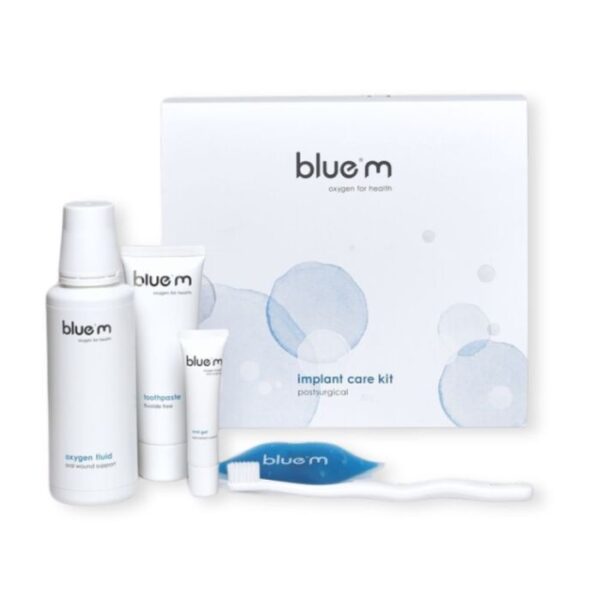
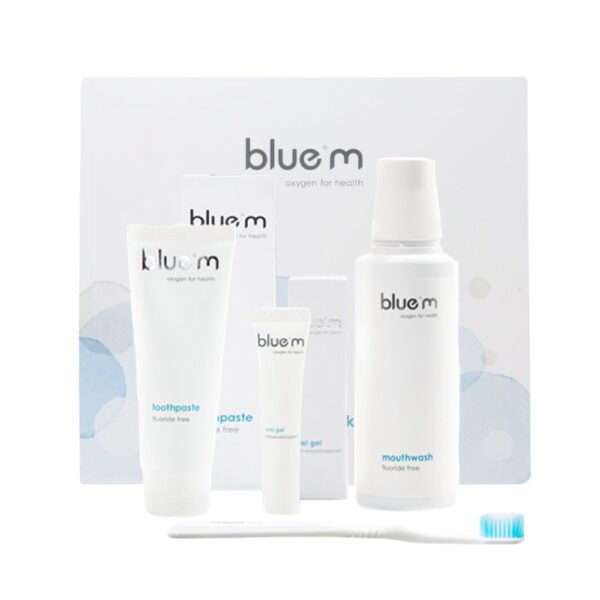
With its oxygen-enriched formula, blue®m can help treat and prevent oral Lichen Planus. Here are our recommended products.
Often very stubborn, oral lichen planus can be hard to control through the use of medicine. However, if left untreated, it usually heals within nine to 18 months.
One of the most effective treatments for oral lichen planus is to maintain good oral hygiene. This includes brushing your teeth properly twice a day for at least two minutes. Introduce interdental cleaning, such as flossing or the use of interdental brushes, to clean between your teeth.
Offering a positive effect on oral auto-immune diseases, try bluem® oxygen fluid for a flawless finish.
Additional ways to treat the condition include reducing the amount of overly spicy and sour food you consume. This will help to decrease any inflammation in the mouth. It’s also advisable to quit smoking and reduce your alcohol consumption to reduce the symptoms more easily.
Add blue®m to Your Daily Routine
With its revolutionary, oxygen-enriched formula, blue®m is the ideal companion for maintaining good oral health. By providing high-quality oral care products to suit your day-to-day routine, you can ensure your mouth remains as healthy as possible.
Sold in more than 30 countries worldwide, our oral care products are specifically developed to prevent and treat oral problems such as inflamed gums, periodontitis and peri-implantitis.
No, oral lichen planus is not contagious. It cannot be passed from person to person through contact, saliva, or shared utensils.
How long does an oral lichen planus flare up last?
The exact cause is not fully understood, but it is considered an autoimmune condition where the immune system mistakenly attacks the tissues inside the mouth. Triggers may include stress, certain medications, or underlying health conditions.
Can oral lichen planus go away on its own?
Oral lichen planus is usually a long-term (chronic) condition. Symptoms may come and go, but ongoing management is often needed to keep the mouth comfortable.
Is oral lichen planus cancerous?
Oral lichen planus itself is not cancer. However, in rare cases, certain types may carry a small increased risk of developing into oral cancer. Regular dental check-ups are important to monitor any changes.
What should I avoid if I have oral lichen planus?
It’s best to avoid foods and products that may irritate the mouth, such as:
Spicy or acidic foods
Alcohol-based mouthwashes
Very hot drinks
Abrasive or harsh toothpastes
Choosing gentle oral care products can help minimise irritation.