Why Oral Health Matters in Pregnancy, For You and Your Baby

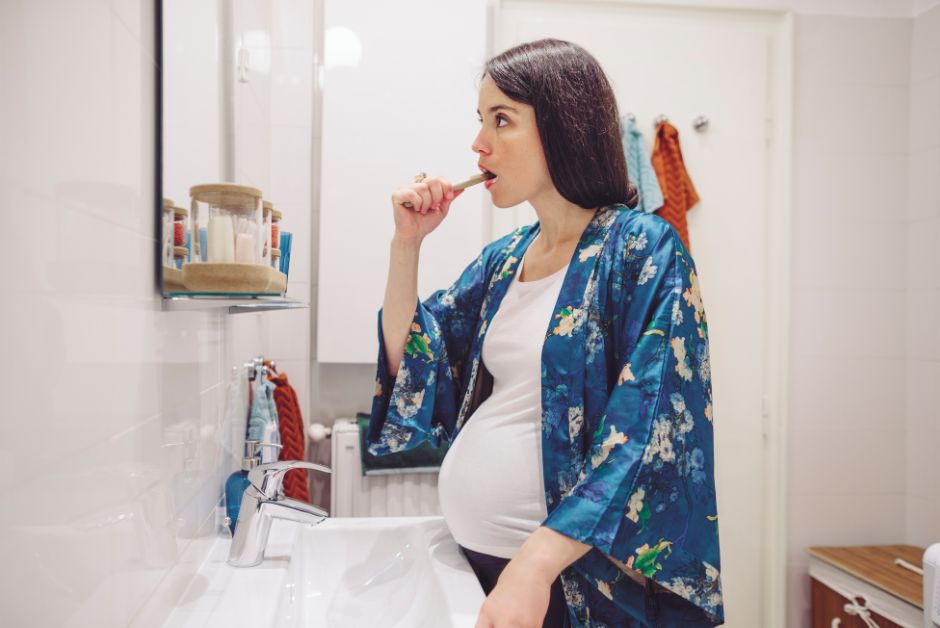
Pregnancy brings incredible changes, physically, emotionally and hormonally. But one area many expectant parents don’t think much about is oral health, even though it plays an important role in your overall wellbeing and can have meaningful implications for your baby too.

During pregnancy, your body works harder than ever before. Hormone levels shift dramatically, blood volume increases, and your immune response adapts to support your growing baby. These changes can also affect your teeth and gums in ways that may surprise you.


How Pregnancy Affects Your Mouth

Higher hormone levels increase blood flow to the gum tissue and can exaggerate the body’s inflammatory response. Even small amounts of dental plaque that may not have caused problems before can now trigger noticeable symptoms.

Gums may become red, swollen and tender, a condition known as pregnancy gingivitis. As a result:

  • Gums may become red, swollen and tender, a condition known as pregnancy gingivitis. Bleeding when brushing or flossing is common, even with gentle care.
  •  
  • Brushing and flossing can feel more uncomfortable, especially if gums are sore. Unfortunately, avoiding these areas allows plaque to build up further, worsening inflammation.
  •  
  • Morning sickness increases acid exposure, and frequent vomiting can weaken enamel over time.
  • Changes in diet, such as more frequent snacking or sugar cravings, create an environment where cavity-causing bacteria thrive.
  •  

Together, these factors mean that pregnant women are at a higher risk of gum disease and dental decay compared with before pregnancy.

In some cases, pregnancy may also lead to the development of a small, benign overgrowth of gum tissue known as a pregnancy epulis, sometimes called a pregnancy tumour. Although the name sounds alarming, it is not cancerous and often resolves after birth. However, it is still important to have any unusual swelling checked by your dentist.

The key message is not to feel alarmed. These changes are common and manageable. With consistent oral hygiene, supportive professional care and small daily adjustments, you can protect your smile throughout pregnancy and beyond.

Poor Oral Health Isn’t Just a Mouth Problem

It is easy to think of dental issues as something separate from the rest of your health, but research paints a much broader picture. The mouth is not isolated from the body. It is part of a complex, interconnected system where inflammation and infection can influence overall well-being.

During pregnancy, this connection becomes even more important.

Studies have shown that untreated gum disease and other oral health problems during pregnancy are associated with a range of complications, including:

Researchers are still working to fully understand exactly how oral bacteria and inflammation may contribute to these outcomes. One theory is that bacteria from infected gums can enter the bloodstream and trigger inflammatory responses elsewhere in the body. Another suggests that chronic inflammation may influence the delicate balance required for a healthy pregnancy.

While cause and effect are still being explored, the associations are strong enough that oral health is now widely recognised as an important part of prenatal care.

Your Oral Bacteria and Your Baby’s Future Smile

There is also evidence that the types of bacteria present in your mouth can influence your baby’s future dental health. The bacteria responsible for tooth decay can be transmitted from parent to infant after birth through saliva sharing, such as tasting food with the same spoon or cleaning a dummy with your mouth.

If high levels of decay-causing bacteria are present, babies may be more likely to develop early childhood caries once their first teeth appear.

This does not mean you should feel anxious or guilty. It simply highlights how valuable it is to enter parenthood with a healthy mouth. By reducing gum inflammation and managing decay before your baby arrives, you are supporting both your own health and laying the foundation for theirs.

Oral health in pregnancy is not just about preventing toothache. It is about protecting systemic health, supporting a healthy pregnancy and giving your child the best possible start.

You Can Take Action

The good news is that there is a great deal you can do to protect your oral health and, by extension, support a healthier pregnancy. Small, consistent habits make a meaningful difference.

Here are some simple but powerful steps:

Brush at least twice daily with fluoride toothpaste. Use a soft-bristled toothbrush and take your time to clean along the gumline where plaque accumulates. 

Clean between your teeth every day using floss or interdental brushes. This is essential for preventing gum inflammation, especially during pregnancy when gums are more reactive.

Visit your dentist regularly for routine check-ups and professional cleanings. These appointments are safe during pregnancy and help identify any concerns early.

Be mindful of your diet. Limiting sugary and acidic foods reduces the fuel that cavity-causing bacteria rely on. If you experience morning sickness, rinse with water afterwards and wait before brushing.

Most dental procedures, including professional cleanings, fillings for cavities and treatment for gum disease, are considered safe during pregnancy.

In fact, addressing problems promptly can help reduce overall health risks. Your dental team can advise on the most appropriate timing, with the second trimester often being the most comfortable period for routine care.

If you are pregnant, always inform your dentist and hygienist so they can tailor your care accordingly.

Taking action does not require perfection. It simply requires awareness and consistency. By prioritising your oral health now, you are supporting your own wellbeing and creating a healthier start for your baby.

Supporting Oral Health with Effective Products

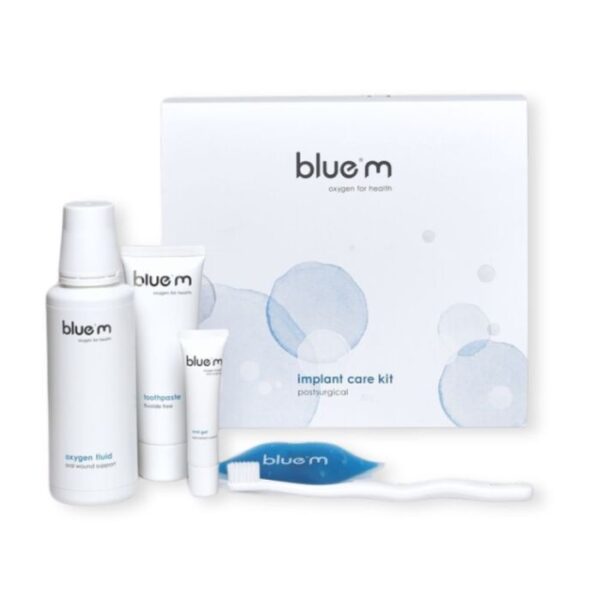
Good daily habits are the foundation of oral health, but the products you use can make those habits more comfortable and more effective, especially during pregnancy when gums may be sensitive or prone to inflammation.

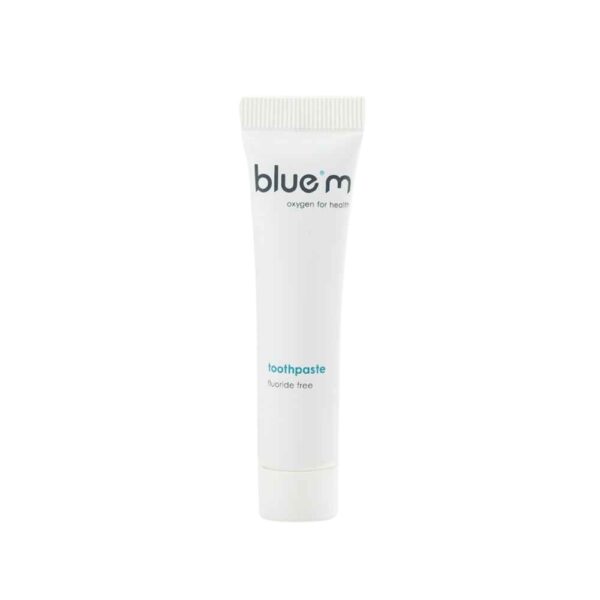
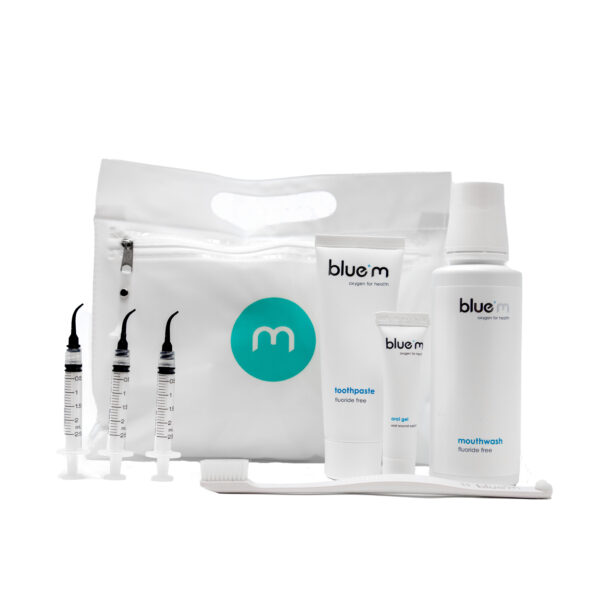
Choosing gentle, supportive formulations can help you maintain consistency, even if brushing feels uncomfortable. For example, blue®m Oral Foam is designed to provide thorough yet mild cleansing of the teeth and gums. Its oxygen-based formulation helps reduce plaque build-up while supporting the natural healing capacity of gum tissue.

For pregnant women experiencing tenderness, inflamed gums or heightened sensitivity, a product like this can make daily oral care feel more manageable and less abrasive. When oral care is comfortable, it is far easier to maintain the routine that protects both gum health and enamel.

By combining regular professional care with a consistent home routine and supportive products, you are strengthening your oral environment during a time when your body needs extra support.

Looking after your mouth during pregnancy is not simply about preventing dental problems. It is about reducing inflammation, maintaining balance and creating a healthy foundation for both you and your baby, now and in the years ahead.

Our Products

Choice Billing Address

×
Mansoor Fazil
  • Mansoor Fazil
  • 12 Chichester Gardens
  • London IG1 3NB
  • , GB
Annia
  • Annia Casagrande
  • Cinnamon Street
  • 20
  • London E1W 3NJ
  • Middlesex, GB
Andri
  • Andri Tucker
  • 116 Roman Road
  • Basingstoke RG23 8HE
  • , GB

Choice Billing Address

×

DON'T MISS OUT...

Free delivery over £45