Oral Health Accessibility: Supporting People with Parkinson’s, Arthritis, and Mobility Challenges

Maintaining good oral health is essential for overall wellbeing, yet for many people living with Parkinson’s disease, arthritis, or mobility challenges, daily oral care can become increasingly difficult. Tasks that once felt routine, such as holding a toothbrush, flossing, or rinsing, may require greater effort, coordination, or assistance.

Creating accessible oral care routines is therefore vital. With the right tools, supportive techniques, and caregiver guidance, individuals can continue to maintain effective oral hygiene and protect their oral health.

The Challenges of Oral Care with Reduced Mobility

Conditions such as Parkinson’s disease and arthritis can significantly affect a person’s ability to maintain effective oral hygiene. Both conditions impact movement, coordination, and strength, which can make everyday tasks such as toothbrushing and flossing more difficult. Reduced hand dexterity can make it challenging to grip or manoeuvre a toothbrush properly, while tremors or involuntary movements may make brushing harder to control.

For individuals with arthritis, joint pain and stiffness can limit the ability to reach certain areas of the mouth comfortably. Fatigue and reduced coordination can also shorten brushing time or make the process less thorough, and difficulty standing for long periods may disrupt the routine of brushing at the sink.

These challenges can increase the risk of several oral health issues. When brushing and flossing become more difficult, dental plaque can accumulate more easily on the teeth and along the gumline. Over time, this can lead to inflamed gums, tooth decay, and oral infections.

In addition, many medications used to manage neurological or inflammatory conditions can cause dry mouth, which further increases the risk of dental problems. For these reasons, adapting oral care routines is essential for maintaining good oral health while supporting comfort and independence.

Making Oral Hygiene More Accessible

Improving accessibility in oral care often involves small but meaningful adjustments to daily routines. The goal is to make oral hygiene simpler, safer, and easier to maintain over time. Even minor changes to the environment, technique, or timing of oral care can help reduce physical strain and improve consistency.

For example, brushing while sitting down rather than standing can provide greater stability and reduce fatigue. A mirror positioned at a comfortable height can make it easier to see inside the mouth without straining the neck or shoulders.

Some people find it helpful to divide their oral care routine into shorter sessions if fatigue occurs, rather than attempting everything at once. Keeping oral care products organised and within easy reach can also make daily routines smoother and more manageable.

These practical adaptations help support independence while making it easier to maintain a consistent oral hygiene routine.

Adaptive Toothbrushes and Oral Care Tools

One of the most effective ways to improve accessibility in oral hygiene is using adaptive oral care tools. These products are designed to support people with reduced dexterity, limited grip strength, or restricted movement.

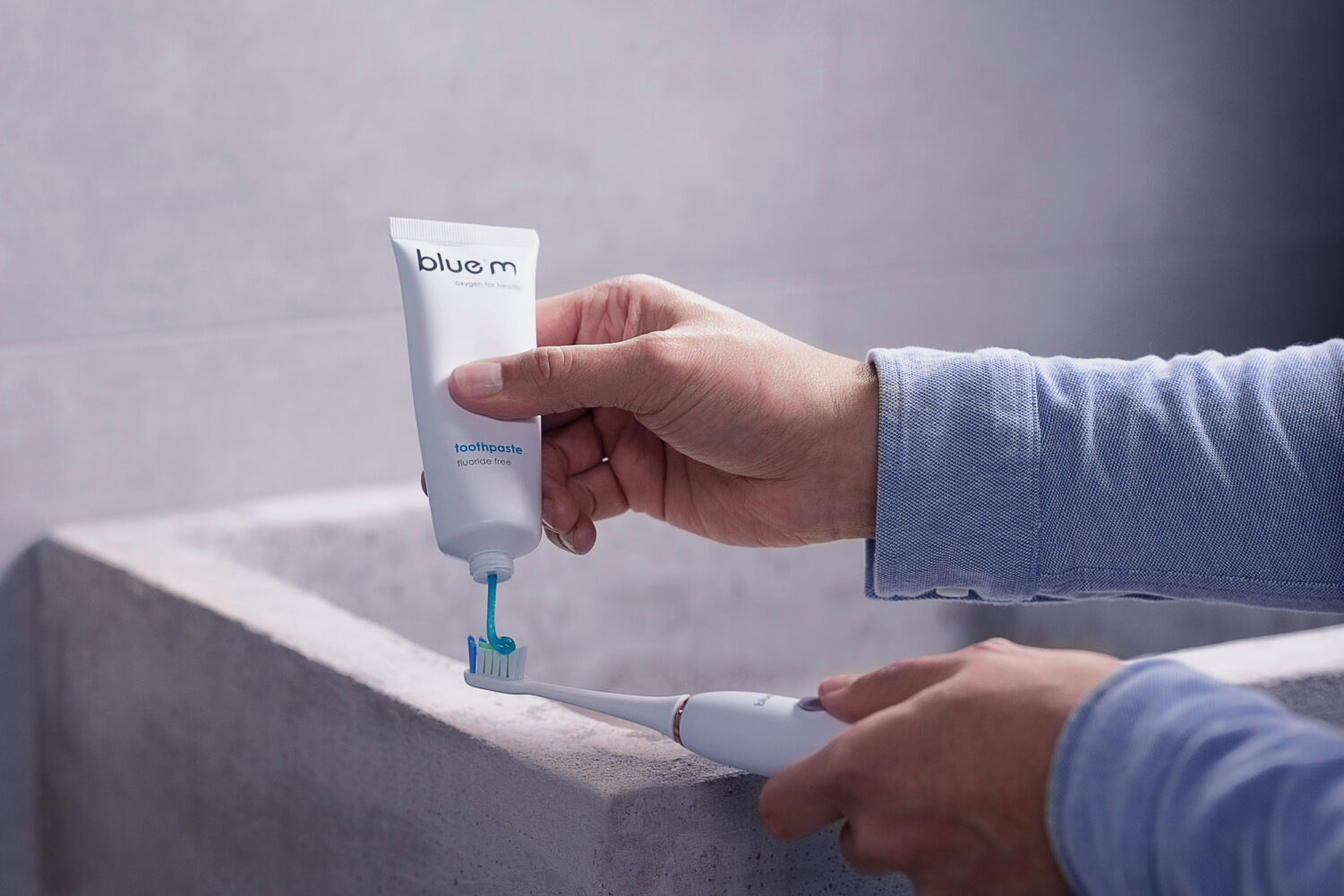
Electric toothbrushes are particularly beneficial for individuals with limited hand mobility. Unlike manual toothbrushes, they require much less wrist movement to achieve effective plaque removal. The automated brushing motion helps clean the teeth more consistently, even if hand control is limited.

Many electric toothbrushes also feature larger handles that are easier to grip, along with built-in timers that encourage brushing for the recommended two minutes. Oscillating or sonic brush technologies can further assist in removing plaque efficiently, even with minimal movement from the user.

For people with arthritis or reduced grip strength, modified toothbrush handles can make a significant difference. Larger ergonomic handles are easier to hold and require less finger pressure. Silicone grip covers can be added to standard toothbrushes to improve stability, while custom handle extensions or holders can help individuals maintain control during brushing. These adaptations reduce strain on the hands and make brushing feel more manageable.

Flossing is often one of the most challenging parts of oral hygiene for people with limited dexterity. Traditional floss requires precise finger movements and coordination, which may be difficult for those experiencing tremors or joint pain.

Long-handled interdental brushes can help reach difficult areas of the mouth without excessive wrist movement. Pre-threaded floss holders remove the need for complex hand positioning, making flossing simpler and more manageable. In some cases, mouth props can also be helpful, allowing the mouth to remain comfortably open during oral care.

Selecting the right combination of tools and techniques can greatly improve both independence and confidence in maintaining daily oral hygiene. With the right support, individuals living with conditions that affect mobility can continue to care for their oral health effectively while maintaining comfort and dignity.

Guidance for Caregivers

For individuals who require assistance with oral hygiene, caregivers play a crucial role in maintaining oral health.

Supporting Independence

Whenever possible, encourage individuals to participate in their own oral care. Even partial involvement can help maintain routine and dignity.

Caregivers can assist by:

  • Preparing the toothbrush and toothpaste
  • Guiding hand movements
  • Providing reminders or verbal encouragement
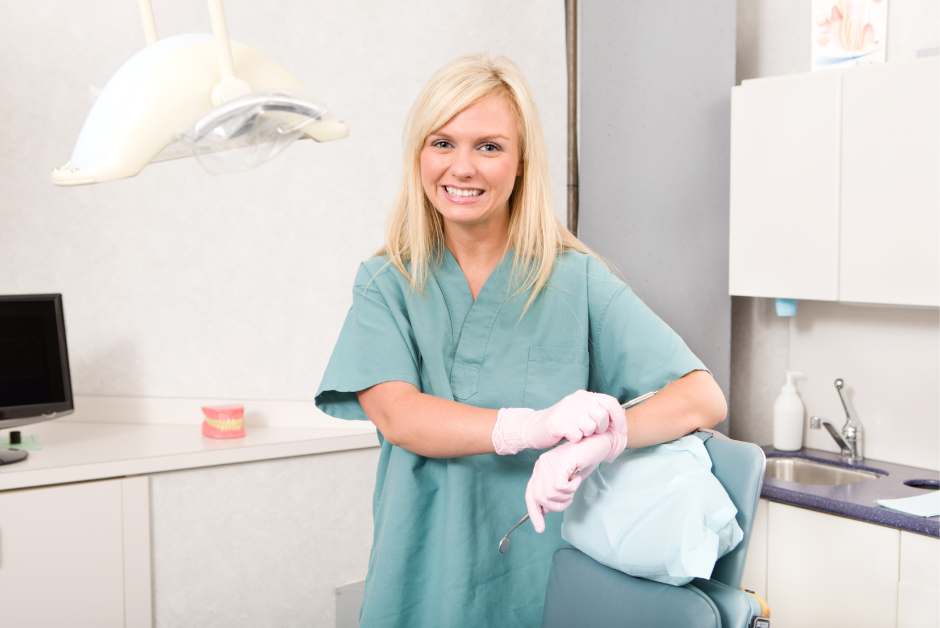
Dental Professional

Assisting with Brushing

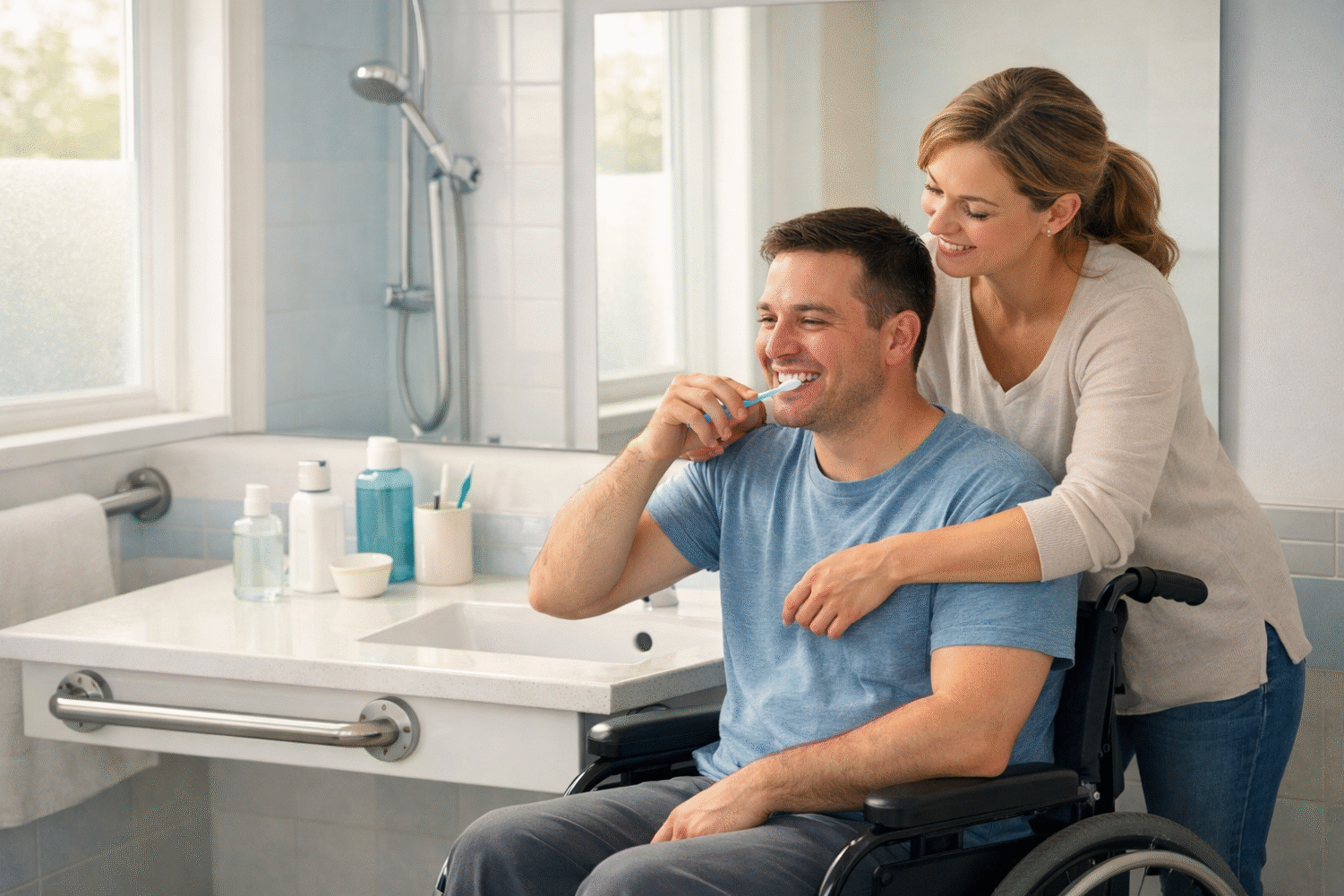
When direct assistance is needed:

  1. Position yourself slightly behind and to the side of the individual.
  2. Support the chin gently for stability.
  3. Use slow, gentle movements when brushing.
  4. Focus on the gumline and hard-to-reach areas.

Using adaptive tools or electric brushes can make assisted care more comfortable for both the caregiver and the individual.

Monitoring Oral Health

Caregivers should also look for signs that may require dental attention, such as:

  • Red or swollen gums
  • Bleeding during brushing
  • Bad breath that persists
  • Mouth ulcers or irritation
  • Changes in eating habits due to discomfort

Regular dental visits remain important for early detection and professional cleaning.

The Importance of Preventive Oral Care

Preventive care becomes even more critical when mobility challenges are present. A well-structured oral hygiene routine can help reduce the risk of complications and maintain comfort, confidence, and quality of life.

Accessible oral care is not simply about tools it is about creating routines that support independence, dignity, and long-term oral health.

How blue®m Can Support Accessible Oral Care

For individuals with reduced dexterity or those receiving caregiver assistance, oral care products that are simple to use and highly effective can make daily routines easier.

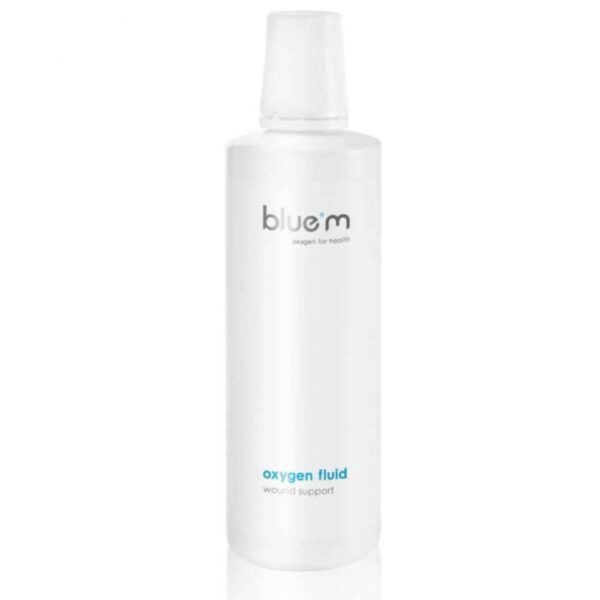
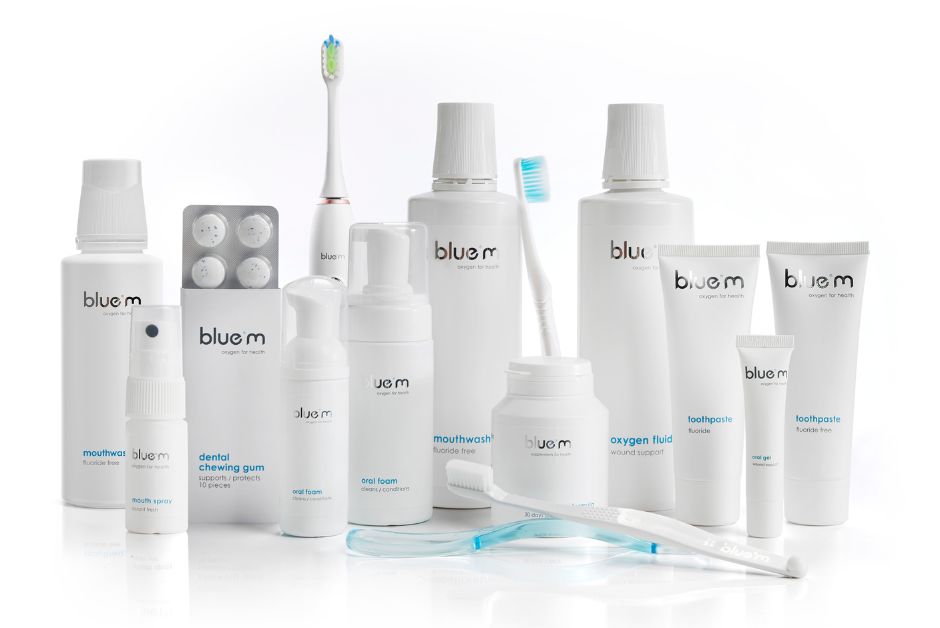
blue®m oral care products are designed to support oral health through active oxygen technology, helping to maintain a balanced oral environment and support gum health.

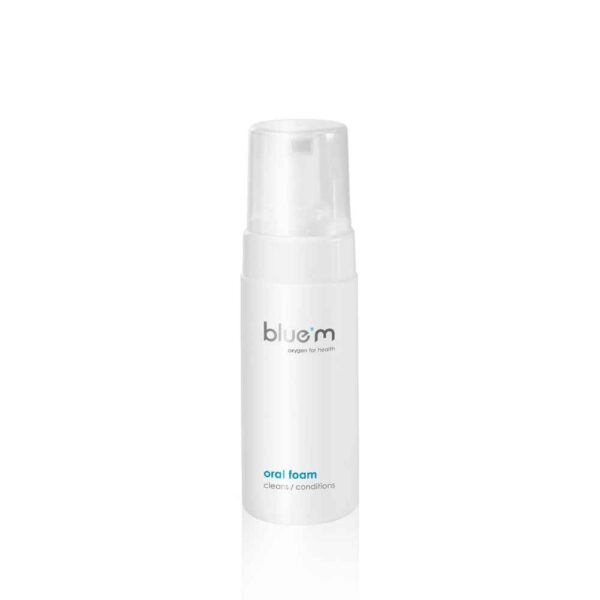
For people who may struggle with traditional brushing routines, blue®m Oral Foam can be particularly helpful. The foam can be applied directly to the mouth without rinsing and may be used when brushing is difficult, such as during periods of fatigue or limited mobility. This can help maintain oral freshness and support oral hygiene between brushing sessions.

blue®m products can therefore complement accessible oral care routines by offering gentle, easy-to-use support for daily oral hygiene, particularly for individuals managing mobility challenges or those receiving assistance with their oral care.

Choice Billing Address

×
Mansoor Fazil
  • Mansoor Fazil
  • 12 Chichester Gardens
  • London IG1 3NB
  • , GB
Annia
  • Annia Casagrande
  • Cinnamon Street
  • 20
  • London E1W 3NJ
  • Middlesex, GB
Andri
  • Andri Tucker
  • 116 Roman Road
  • Basingstoke RG23 8HE
  • , GB

Choice Billing Address

×

DON'T MISS OUT...

Free delivery over £45