As the days get shorter and the temperature drops, autumn is a natural time to slow down, reset our routines and focus a little more on looking after ourselves.
But self-care isn’t only about staying active, eating well and getting enough rest. Looking after your teeth, gums and mouth is an important part of your overall wellbeing too.
Our oral health needs can change as we get older, with concerns such as dry mouth, sensitive teeth and gum problems becoming more common. This autumn, make your smile part of your everyday self-care routine.

When the weather is warm, reaching for a glass of water can feel like second nature. During autumn and winter, however, it can be easy to drink less as we swap cold drinks for warmer beverages.
Staying hydrated is important for your whole body – including your mouth. Saliva helps keep the mouth moist, wash away food debris and neutralise acids, making it an important part of maintaining a healthy oral environment.
Dry mouth can become more common as we get older and can also be associated with certain medications. If your mouth regularly feels dry or uncomfortable, try drinking water throughout the day and speak to your dentist or healthcare professional if it persists.
Autumn is the season for warming drinks, comforting desserts and cosy afternoons with a cup of tea and a biscuit.
There’s no reason you can’t enjoy your favourite seasonal treats, but it’s worth thinking about how frequently your teeth are exposed to sugar throughout the day.
Rather than regularly grazing on sugary foods, try to enjoy them as part of a meal where possible. And don’t forget that sugar can also be hiding in some of your favourite hot drinks.
Small changes can make it easier to enjoy the foods you love while still looking after your smile.
Does a cold autumn morning make your teeth twinge?
Sensitive teeth can develop for several reasons, including worn enamel, exposed tooth roots and receding gums. You may also find that sensitivity becomes more noticeable over time.
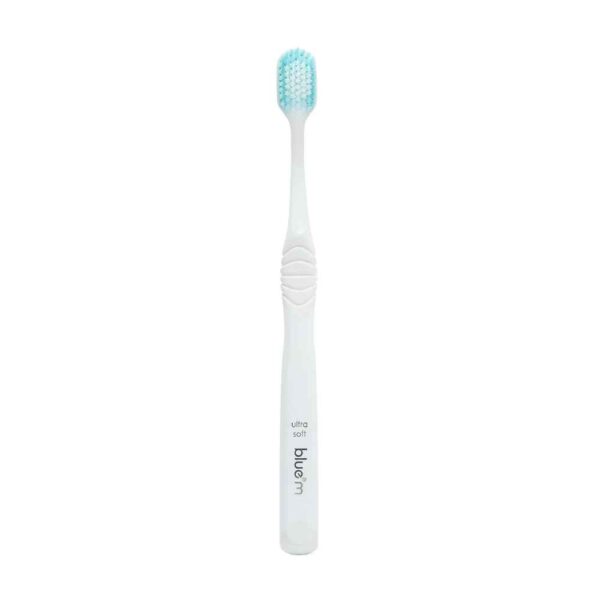
If you’ve started experiencing sensitivity, avoid brushing too aggressively and use a soft toothbrush with gentle pressure. Persistent or sudden sensitivity should always be discussed with your dentist, as they can help identify the underlying cause.
Healthy teeth need healthy gums.
Gum problems don’t always cause pain in their early stages, so it’s worth paying attention to changes such as bleeding when brushing, redness, swelling or receding gums.
and remember to clean between your teeth using or interdental brushes.
If you have , looking after the gums and tissues surrounding them is also an essential part of keeping your implants healthy.
When it’s dark outside, and your bed feels particularly inviting, those extra few minutes in the morning can be tempting.
Whatever the season, try to keep your oral care routine consistent.
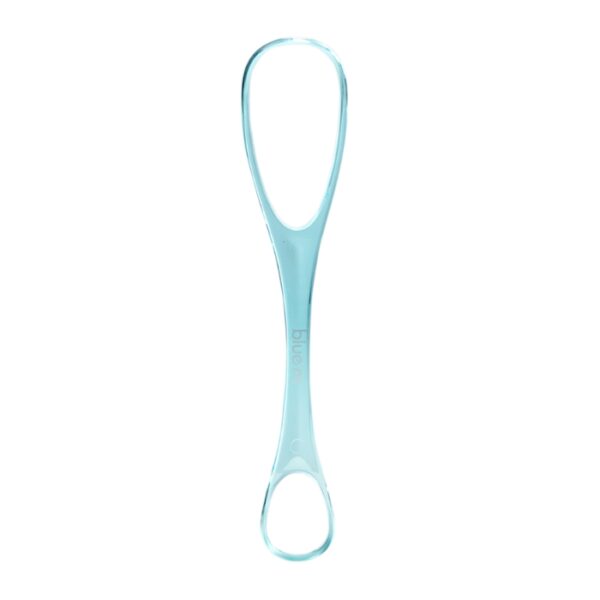
Brush your teeth twice a day for two minutes, clean between your teeth regularly and don’t forget to clean your tongue. Bacteria and debris can build up on its surface, so gently cleaning your tongue can help your whole mouth feel cleaner and fresher.
Making oral care part of your morning and evening routine means it soon becomes another simple act of everyday self-care.
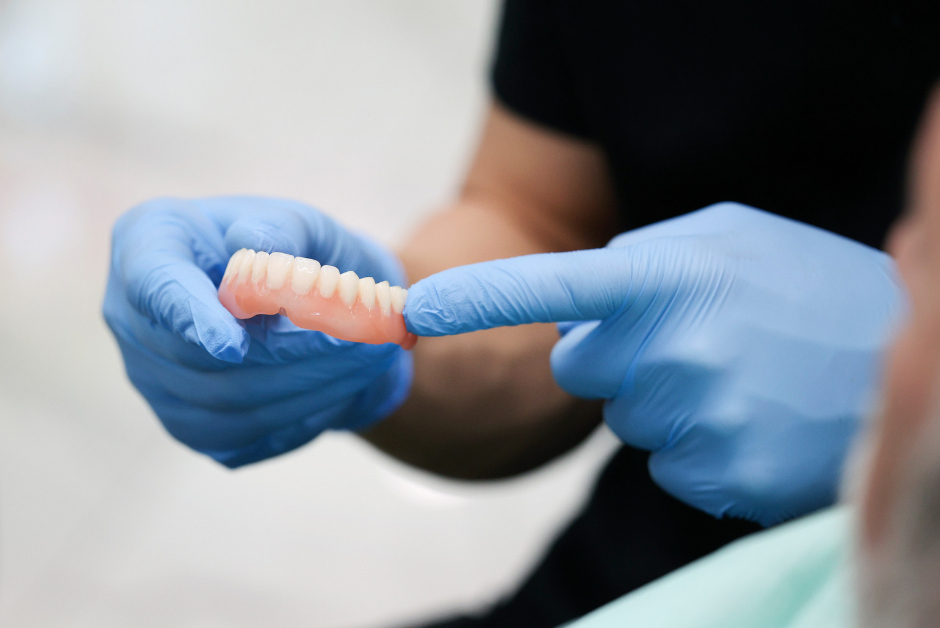
If you have dentures, dental implants, crowns or bridges, looking after them should be an important part of your daily oral care routine.
Clean dentures every day according to the advice from your dental professional, remembering to gently clean your gums, tongue and any remaining natural teeth too. If you have implants, pay particular attention to cleaning around the implant and gumline to help prevent plaque from building up.
It’s also important to notice any changes. If dentures become loose or uncomfortable, or you experience soreness, swelling or discomfort around an implant or other dental work, speak to your dentist rather than waiting for the problem to improve on its own.
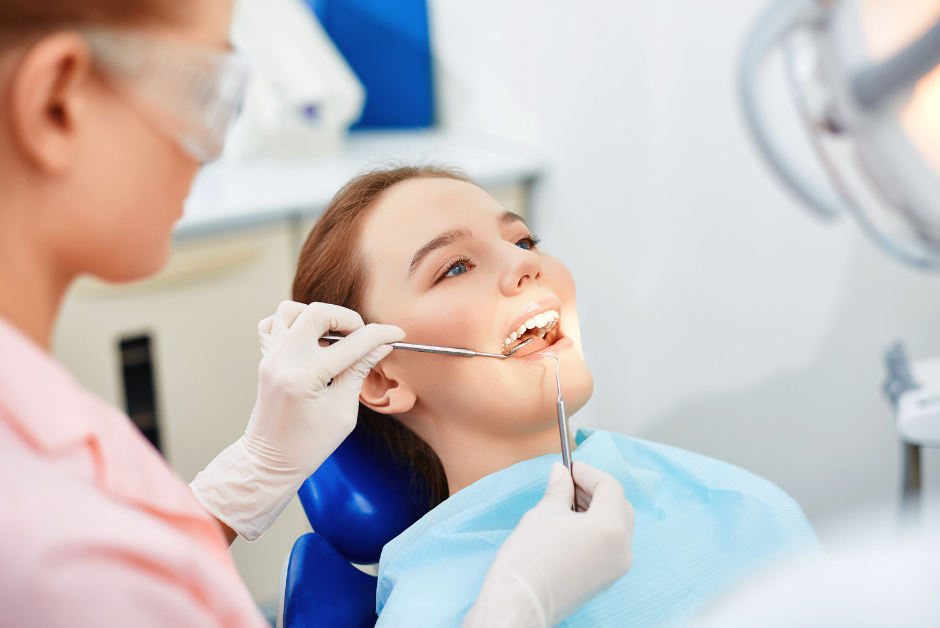
If it’s been a while since your last dental check-up, now could be a good time to get an appointment in the diary.
Regular dental check-ups aren’t only about checking for tooth decay. Your dental team can monitor your gums, existing restorations, dentures and implants, as well as checking for other changes within your mouth.
Spotting a problem early can often make it much easier to manage, so don’t wait until something hurts before seeking advice.
Looking after your oral health doesn’t require a complete change to your routine. Often, it’s the small things you do consistently that make the biggest difference.
Stay hydrated, brush twice a day, clean between your teeth, pay attention to changes in your gums and make time for regular dental check-ups.
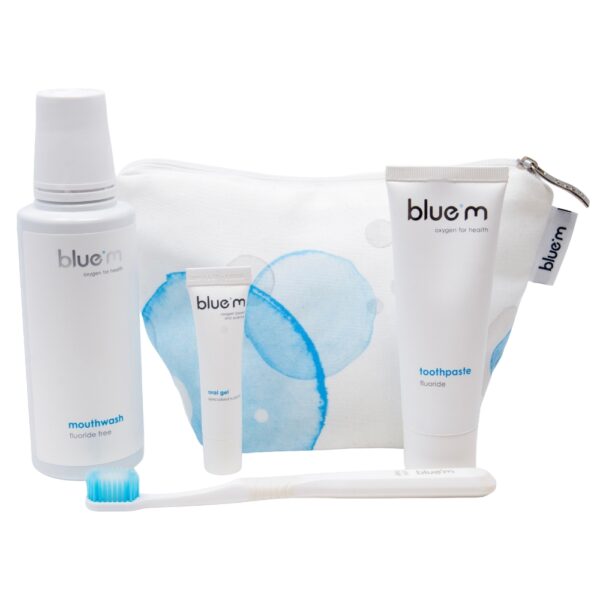
The blue®m oral care range can also become part of your everyday routine, with products designed to support daily oral hygiene and care for a range of oral health needs.
So, as the evenings draw in and you spend a little more time looking after yourself, don’t forget about your smile. A few simple habits this autumn can help you maintain a clean, comfortable and healthy-feeling mouth throughout the season and beyond.