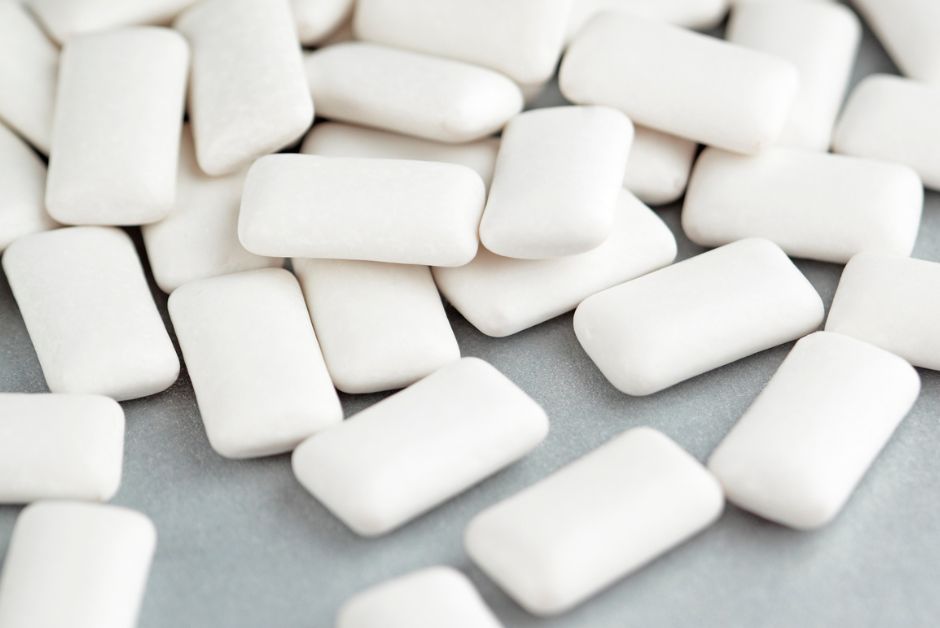
Is Chewing Gum Good for You?

Most of us chew gum at some point, to freshen breath, curb a sweet craving, improve focus, or enjoy a quick pick-me-up during the day. For some, it’s an occasional habit; for others, it’s part of their daily routine. But how often do we stop to think about what’s actually in the gum we’re chewing?

The answer matters. While some chewing gums can support oral health, others contain ingredients that may work against it, particularly when chewed frequently. Sweeteners, flavourings, colours, and additives all influence how gum affects your teeth, gums, and overall oral balance. Making informed choices starts with understanding what to look for and what to avoid.

When chosen wisely, chewing gum can complement your oral care routine rather than undermine it.
How Chewing Gum Affects Your Mouth

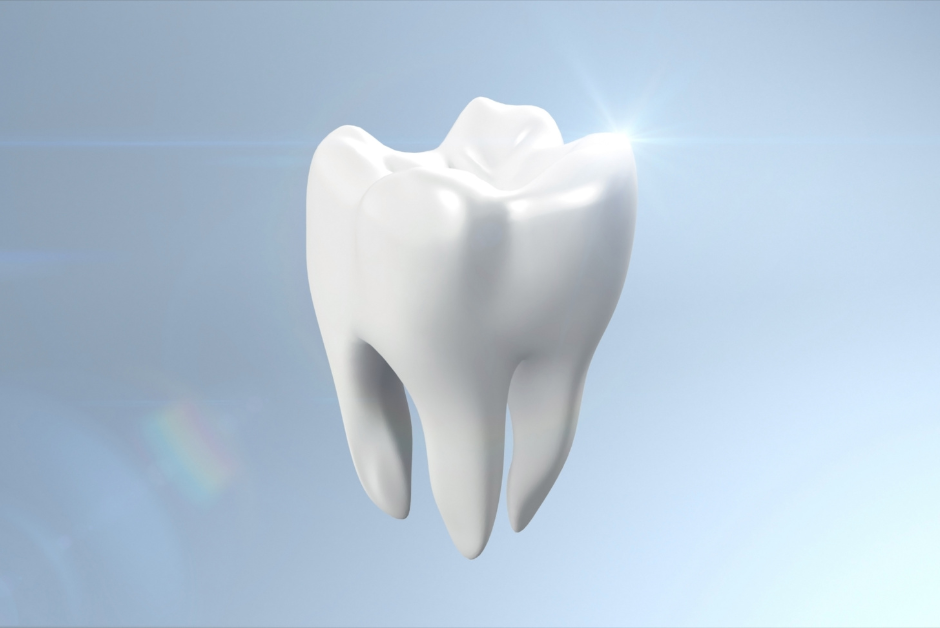
Chewing gum stimulates saliva production, which is one of its biggest benefits. Saliva helps neutralise acids, wash away food particles, and protect tooth enamel. This makes sugar-free gum especially useful after meals when brushing isn’t immediately possible.

That said, the wrong type of gum can cause problems. Sugary gums feed harmful bacteria and increase the risk of tooth decay, while overly acidic flavourings may contribute to enamel erosion if used excessively. Chewing also places demand on the jaw, and constant or aggressive chewing can lead to fatigue or discomfort, particularly for those who clench or grind their teeth.

Moderation and ingredient quality is key.

The Benefits of Chewing Gum

Freshening Breath

Chewing gum offers a quick solution for bad breath, especially after eating strong-smelling foods like garlic or onions. While it won’t treat underlying issues such as gum disease or chronic dry mouth, sugar-free mint gum can temporarily mask odours and leave the mouth feeling fresher.

Supporting Tooth Decay Prevention

Sugar-free gums, particularly those containing xylitol, can help reduce levels of cavity-causing bacteria and lower acid levels in the mouth after eating. Dental organisations recognise sugar-free gum as a helpful aid between meals, though it should never replace brushing and interdental cleaning.

Relieving Dry Mouth

By stimulating saliva, chewing gum can ease the discomfort associated with dry mouth, making it easier to eat, speak, and swallow. For people prone to dryness, this can significantly improve daily comfort and oral health.

Helping Maintain a Brighter Smile

Some chewing gums are designed to help reduce surface staining by increasing saliva flow and gently preventing stains from settling. While they won’t replace professional whitening, they may help maintain a cleaner-looking smile between brushes.

Supporting Focus and Wellbeing

Chewing gum has also been linked to improved concentration and reduced stress levels. Emerging products, such as CBD-infused gum, are being explored for their calming effects, although further research is needed and medical advice should always be sought before use.

Why Ingredients Matter

Not all chewing gum is formulated with oral health in mind. Traditional gums often contain a mix of sweeteners, colours, flavourings, and additives that offer no dental benefit.

Artificial Colours and Additives

Some gums include synthetic colours or coatings purely for appearance. Certain additives have raised health concerns and may cause sensitivities in some individuals, making them best avoided where possible.

Sugar vs Sugar-Free

Sugar is a major contributor to tooth decay. When bacteria feed on sugar, they produce acids that weaken enamel and increase cavity risk. Sugar-free gum avoids this problem entirely, making it the safer option for your teeth.

Choosing the Right Sweetener

Sugar-free gums commonly use sweeteners such as sorbitol, aspartame, or xylitol. While most are safe for general use, xylitol stands out for its dental benefits, as it does not contribute to tooth decay and may help limit harmful bacteria. Some sweeteners, however, can cause digestive discomfort if consumed in excess.

What to Look for on the Label

When choosing a healthier chewing gum:

  • Opt for sugar-free varieties
  • Look for xylitol high on the ingredient list
  • Avoid artificial colours and unnecessary additives
  • Be cautious with strong artificial flavourings, especially if you have a sensitive mouth

Chewing gum can support oral health, but it should always complement, not replace, brushing, flossing, and regular dental care.

A Better Chewing Gum Choice

If you’re going to chew gum regularly, it makes sense to choose one designed with oral health in mind. Gums that avoid artificial colours, unnecessary flavourings, and low-quality additives while prioritising dental-friendly ingredients like xylitol are a smarter choice.

Chewing gum shouldn’t just taste good – it should support your wellbeing too. With the right ingredients and mindful use, it can be a simple, effective addition to a healthy oral care routine.

For a gum that checks all these boxes and is designed with oral health first, consider blue®m’s chewing gum, which is free from harmful colourants and artificial flavourings.

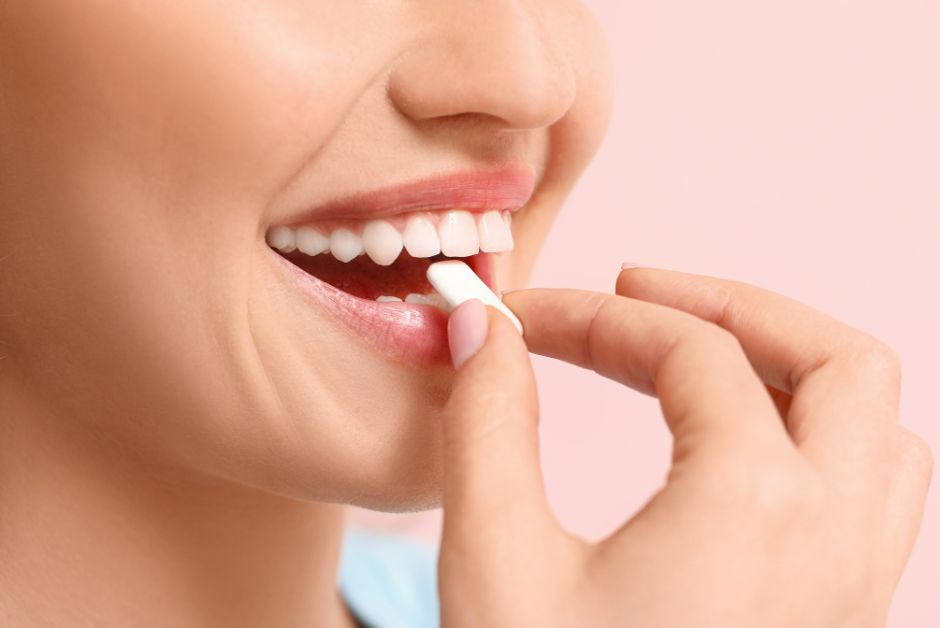
Chewing it after meals helps wash away food debris, reduce harmful bacteria, and stimulate saliva production. It’s a simple way to support oral health on the go, leaving your mouth feeling clean and refreshed.

Choice Billing Address

×
Mansoor Fazil
  • Mansoor Fazil
  • 12 Chichester Gardens
  • London IG1 3NB
  • , GB
Annia
  • Annia Casagrande
  • Cinnamon Street
  • 20
  • London E1W 3NJ
  • Middlesex, GB
Andri
  • Andri Tucker
  • 116 Roman Road
  • Basingstoke RG23 8HE
  • , GB

Choice Billing Address

×

DON'T MISS OUT...

Free delivery over £45